Buying a Home in the Next 90 Days: The Week-by-Week Plan That Actually Closes the Deal
If you're planning to buy a home in the next three months, the next 90 days are not for casual browsing — they're for executing a sequence. Skip a step, do it out of order, and you either lose the house you wanted or pay more than you needed to. Here's the week-by-week plan.
Most buyers set the goal of "buy a home in three months" and then spend the first six weeks scrolling Zillow before they ever talk to a lender. By the time they finally get serious, they've burned half their runway, the house they liked is under contract to someone who moved faster, and they're stuck in panic mode for the back half of the timeline — the part that actually requires precision.
Three months is enough time to do this well. It is not enough time to do it casually. The buyers who close cleanly in 90 days do roughly the same things in roughly the same order, and the ones who don't close almost always failed at the same spots: too late on the pre-approval, too late on the agent, too sloppy with their financial discipline in the final 30 days when underwriting is watching.
This article walks through what to do, week by week, from the day you decide to buy to the day you get the keys. None of it is mysterious. All of it is sequenced for a reason.
"Three months from decision to keys is achievable. Three months of casual browsing followed by panicked offers is not."
Buying a Home in 3 Months: The Sequence That Actually Works
Buying a home in 3 months works when you treat it as a project with phases. Each phase has a job, the jobs have to be done in order, and the early phases are the ones that decide whether the late phases are clean or chaotic. Get the first 30 days right and the rest is mostly execution. Get the first 30 days wrong and you'll be fighting through every step that follows.
The structure looks like this:
- Days 1–30 (Foundation): Credit, finances, pre-approval, agent. The work that has to happen before you can make a real offer.
- Days 31–60 (Active Search): Showings, offers, contract. The compressed period when you find the home and lock it down.
- Days 61–90 (Under Contract to Close): Inspection, appraisal, underwriting, walkthrough, closing. Where most of the avoidable mistakes happen.
That structure works whether your market is hot or slow, whether you're a first-time buyer or upgrading from a starter home, whether your budget is $250,000 or $1.5 million. The pieces don't change. The order doesn't change.
Days 1–7: The Honest Financial Audit
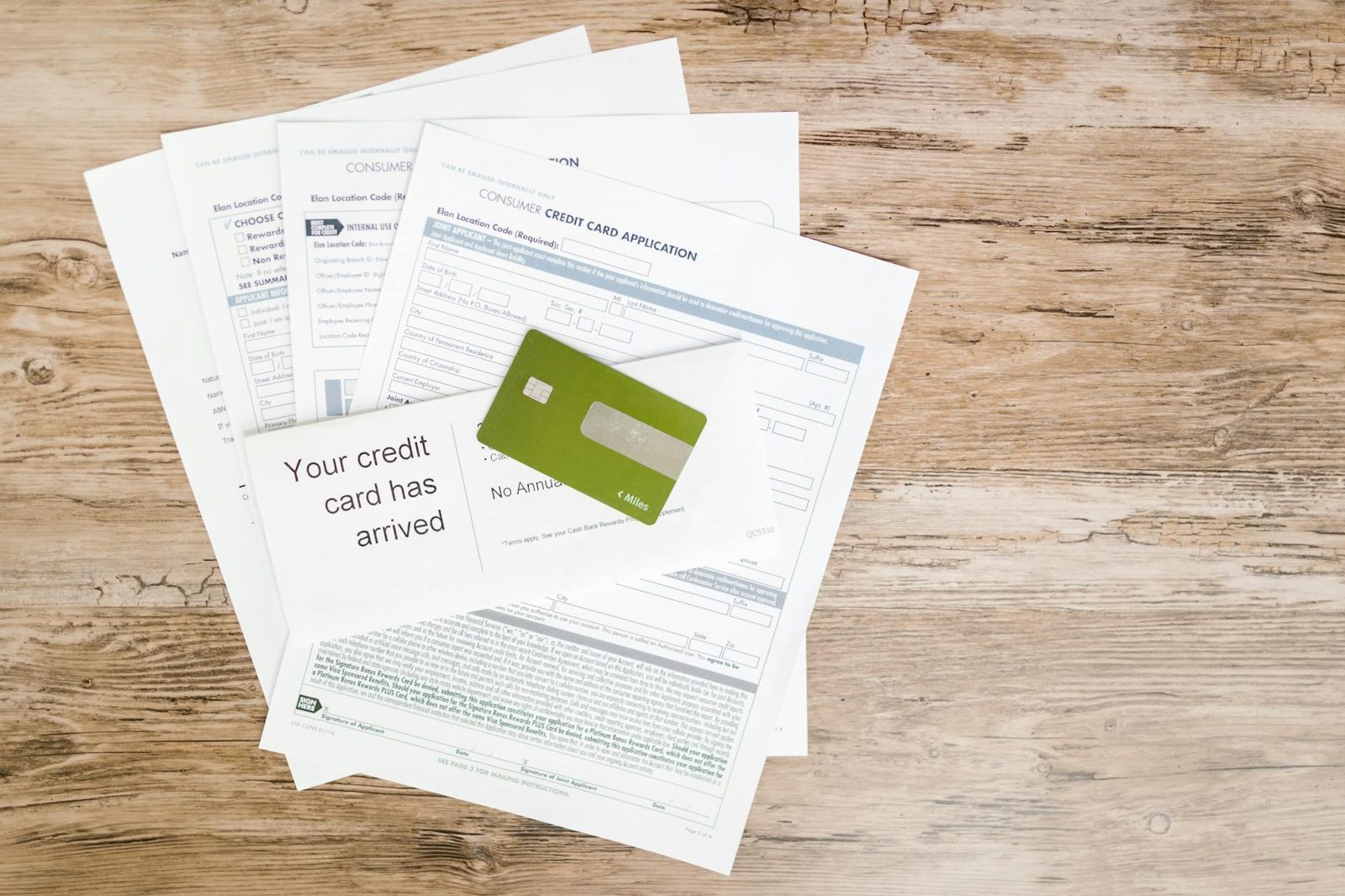
The first week is for sitting down with your numbers and being honest about what you can actually afford. Not what a lender will lend you (that number will be higher). Not what your agent thinks you should spend. What you can absorb without your monthly cash flow going to a bad place.
What to do in the first week:
- Pull your credit reports from all three bureaus at annualcreditreport.com — free, no credit hit.
- Pull your three FICO scores. Most credit cards now show one for free; the FICO 8 is the most common, but mortgage lenders use FICO 2, 4, and 5. Expect the mortgage versions to differ from what your credit card app shows — often lower, sometimes by a meaningful margin — so don't plan around the consumer score.
- List every debt you have, the minimum payment, and the balance. That total drives your debt-to-income ratio (DTI), which drives your loan options.
- Calculate your cash on hand — everything you can liquidate without penalty — separated into "down payment money" and "reserves."
- Sketch a target monthly payment. A reasonable rule of thumb is that your total housing payment (principal, interest, taxes, insurance, HOA) should land at or below 28% of gross monthly income, though many buyers stretch to 33% in higher-cost markets.
If anything in the audit surprises you — an old collection on your credit, a balance you forgot, a savings number lower than you thought — this is the week to find out, not week ten.
Days 7–21: Lender Selection and Pre-Approval
The single highest-leverage move of the entire 90-day plan is getting pre-approved early. Not pre-qualified — pre-approved. The difference is real: pre-qualification is a lender looking at numbers you told them; pre-approval is a lender pulling your credit, reviewing your documents, and issuing a letter that says they have actually underwritten you and are prepared to lend up to a specific amount.
A real pre-approval letter is the only thing that makes your offer competitive in any market that isn't crashing. Sellers and listing agents take pre-qualified buyers about as seriously as they take browsers without financing.
How to do pre-approval well:
- Get rate quotes from at least three lenders. They should be a mix — one big bank or credit union, one mortgage broker, one online lender. The pricing differences are real and can run thousands of dollars over a 30-year loan.
- Submit full documentation to your top choice: two years of tax returns, two months of bank statements, recent pay stubs, ID, and any documentation of additional income (bonuses, rental income, side income).
- Ask for the pre-approval letter to be issued at your target purchase price — not the maximum the lender will lend. There is no upside to walking around with a $600,000 pre-approval letter when you intend to spend $475,000.
- Get the breakdown of your estimated total monthly payment at the target purchase price — including taxes, insurance, mortgage insurance if applicable, and any HOA dues.
If you're considering an FHA, VA, or USDA loan, make sure your lender has actually closed those loans recently. Government-backed loans require lender experience that not every loan officer has.
If you'd like a second opinion on how this applies to your situation, there's more below.
Days 14–28: Picking the Right Agent

By week three, you should have an agent. Not an acquaintance who happens to have a license. Not whoever responded to a Zillow inquiry. An agent who has actually represented buyers in your target neighborhoods, with closed transactions you can verify.
Interview at least two. Plenty of buyers interview none, and it's one of the easiest expensive mistakes to avoid.
What to ask a buyer's agent before you commit:
- "How many transactions have you closed in this neighborhood in the last twelve months, on the buy side specifically?"
- "Walk me through your offer strategy in this market. How aggressive should I expect to be on price, terms, and contingencies?"
- "What's your communication style and response time during an active offer? Can I reach you on weekends?"
- "What inspectors do you recommend, and have you used them recently? Are they tough or easy in their reports?"
- "What's the buyer agent compensation structure here, and how does that show up in my offer?"
The agent answering these specifically and from recent experience is the one to hire. The one giving generic answers is the one to keep looking past.
Days 21–45: Active Search
This is when you start touring. Not before. Touring before you're pre-approved is the single most reliable way to fall in love with a home you can't actually buy.
Most buyers in a healthy market will tour 8–15 homes before making a serious offer. Some buyers find their home in week one of active search. Some take six weeks. Both are normal. What's not normal is touring 50 homes — that's a sign of either unrealistic budget calibration or unclear preferences, both of which need to be solved before the search continues.
How to tour effectively:
- Tour on weekends and evenings. Most homes are listed Thursday or Friday and showings book out fast for the weekend.
- Take photos of every home, especially the things that don't show in the listing photos — the side yard, the garage, the basement, the laundry area, what you can see from the windows.
- Score every home on the same five criteria: location, layout, condition, price-to-comps, and gut feel. Don't trust your memory by week three.
- Walk away from the homes that are 80% right. The 90+ percent matches are the only ones worth offering on.
Days 30–55: Making an Offer That Gets Accepted
When you find the home, the offer needs to go in fast and clean. The mechanics:
- Offer price: Anchored to comparable sales (not list price). Your agent should walk you through 3–5 comps before you decide on a number.
- Earnest money deposit (EMD): Usually 1–3% of purchase price. Higher EMD signals you're serious.
- Financing contingency: Standard for almost every deal. Don't waive this unless you fully understand the risk and have backup financing.
- Inspection contingency: Standard. Some buyers waive in hot markets — this is high-risk and only advisable if you're prepared to absorb significant repair costs without recourse.
- Appraisal contingency: Protects you if the home appraises below the contract price. Waiving means you'd cover any shortfall in cash.
- Closing date: Match the seller's preference if you can. Speed of close is a real lever.
- Seller concessions: Common ask — 1–3% of purchase price toward closing costs. Improves the deal for you, slightly reduces the net to the seller.
The cleanest offers win in most markets. That doesn't always mean the highest price — it means the offer with the fewest contingencies, the strongest pre-approval letter, and the cleanest timeline.
Days 45–75: Under Contract — The Diligence Phase

Once your offer is accepted, the work moves from finding to verifying. The contingency periods are short and the calendar is unforgiving.
Inspection (typically 7–14 days from contract): Hire a thorough, independent home inspector. Attend the inspection if you can — the verbal walkthrough is more useful than the written report. Common items to negotiate: roof condition, HVAC age, electrical issues, plumbing leaks, foundation, drainage, appliances. Decide which items you want repaired, credited, or accepted as-is.
Appraisal (ordered by the lender): The appraisal verifies the home is worth what you're paying. If it comes in low, you have three options: renegotiate the price down, cover the difference in cash, or walk away if you have an appraisal contingency.
Underwriting: The lender's underwriter is reviewing every piece of your file. Expect requests for additional documentation — a bank deposit they want sourced, a tax return they want explained, a debt that just appeared on your credit. Respond same day. Don't make underwriting wait on you.
Title and HOA review: Read the title commitment when it arrives. Read the HOA documents (CC&Rs, financials, meeting minutes). The HOA review especially — lawsuits, special assessments, or financial trouble can dramatically change what you're buying.
Days 60–90: The Last 30 Days

The final 30 days are where the most avoidable mistakes happen. The lender will pull your credit again the week before close, and they will re-verify employment and income. Your job is to keep your financial picture exactly the way it was when you got pre-approved.
What not to do in the last 30 days:
- Don't change jobs or quit a job. If a job change is unavoidable, your lender needs to know immediately.
- Don't open a new credit card, finance a car, or take out any new loan.
- Don't make large unexplained deposits to your bank accounts. Every deposit over a couple thousand dollars will need a paper trail.
- Don't move money between accounts without documentation.
- Don't co-sign a loan for anyone — even if you don't have to make payments, it's a new debt on your credit.
- Don't pay off a collection or charge-off without telling your lender first — sometimes paying it actually hurts your score short-term, and your lender may want to time it correctly.
What to do in the last 30 days:
- Lock your interest rate. Talk to your lender about timing — rate locks are usually 30, 45, or 60 days.
- Set up homeowners insurance and provide the binder to the lender.
- Schedule the final walkthrough for the day before or morning of closing.
- Confirm wire instructions for closing funds by phone with the title company — never via email alone. Wire fraud is one of the most common scams in real estate and the funds are rarely recoverable.
- Bring a government-issued photo ID and a cashier's check or wire confirmation to closing.
The Three Mistakes That Blow Up 90-Day Closes

1. Starting the lender process too late.
The single biggest reason a 90-day timeline fails is that the buyer didn't get pre-approved until day 30 or 40. Suddenly the search is rushed, the offers are weak, and there's no margin for the inevitable surprises in underwriting.
2. Letting financial discipline slip mid-process.
Buyers who do everything right for the first 60 days and then finance a couch on store credit at week ten are surprisingly common. Underwriting will see it. The financing won't close.
3. Skipping the inspection or rushing the contingency periods.
If your contract includes an inspection or due diligence contingency, that window is usually your last clear chance to walk away over condition — check exactly what your contract protects and what using it costs you. Buyers who skip or shortcut this step to win in a hot market are sometimes right and sometimes catastrophically wrong. The variance is enormous and the bad outcomes can cost five and six figures.
The Bottom Line
A clean 90-day home purchase is achievable. It just isn't casual. The buyers who close on time and at favorable terms run the same playbook: foundation work in the first 30 days, focused search in the next 30, disciplined diligence and stable finances in the last 30.
The buyers who don't close on time almost always missed the same beats: late pre-approval, the wrong agent, a financial misstep in the final stretch, or a contingency they shortcut to look more competitive than they actually were.
Three months is enough time. Use it deliberately and you'll be picking up keys on day 89. Use it casually and you'll either be starting over in month four or signing up for a deal you'll regret.
You have more leverage in the timeline than you think. Spend the first month making yourself ready and the rest of it gets dramatically easier.
Advice4Homeownership publishes educational content only. Real estate transactions, mortgage qualification, and contingency rules vary by state. Always work with a licensed real estate professional and a licensed lender for advice specific to your situation.