What to Do If You Plan to Buy a Home in the Next 12 Months: A Real Preparation Year, Not a Procrastination Year
Twelve months is enough time to fix almost everything that costs unprepared buyers money. It’s also enough time to drift for ten months and panic for two.
If you’ve decided you want to buy a home sometime in the next year, you’re in the most strategically valuable window most buyers ever get. You’re far enough out to actually fix the things that quietly cost unprepared buyers tens of thousands of dollars — and close enough in that the decisions you make from this week forward genuinely shape the deal you eventually write.
The trouble is that twelve months feels like a long time. Most prospective buyers in this window do almost nothing for the first six months, start “looking” casually around month seven, get serious in month nine, and find themselves making rushed financial decisions in month eleven that they would have made very differently with a real plan.
This is not a sprint. It’s not a year of nothing followed by a month of scramble, either. It’s a paced, preparation-rich year that, done well, leaves you in the strongest possible position to write a clean offer on the right home at the right time. Buyers who use the full twelve months as a real preparation runway tend to end up in a stronger position — on rate, on terms, on the property itself, and on how much scrambling happens in the final 60 days — than buyers who start at month eleven.
This article walks you through the full year, month by month, with the specific decisions that matter at each stage. Skip nothing. Add nothing. Do the work in the order it’s laid out and you’ll arrive at your offer ready instead of rushed.
“The buyers who write the cleanest offers a year from now started preparing twelve months ago — not because they were obsessive, but because they refused to be surprised.”
You Are Not Alone in Underestimating What Twelve Months Can Do

Most prospective buyers radically underestimate two things at the same time: how much of the home-buying process is determined before they ever tour a listing, and how much of that prework can actually be done in this window.
We’ve sat across from buyers who, six weeks before they wanted to be in a new home, discovered a credit reporting error that took 90 days to resolve. Buyers who found out their down payment savings had been parked in an account that triggered sourcing requirements they couldn’t satisfy on the timeline. Buyers who got told their self-employment income wasn’t qualifying because they hadn’t filed the prior year’s taxes yet. Each of these stories has the same shape: a problem the buyer didn’t know they had, on a timeline that didn’t give them enough room to solve it.
The twelve-month preparation runway exists exactly to surface and solve those problems while you still have time. If you start now, you’ll have time. If you start in month ten, you won’t.
If you'd like a second opinion on how this applies to your situation, there's more below.
The Twelve-Month Preparation Plan, Month by Month
Months 12 to 10 — The Diagnostic Phase
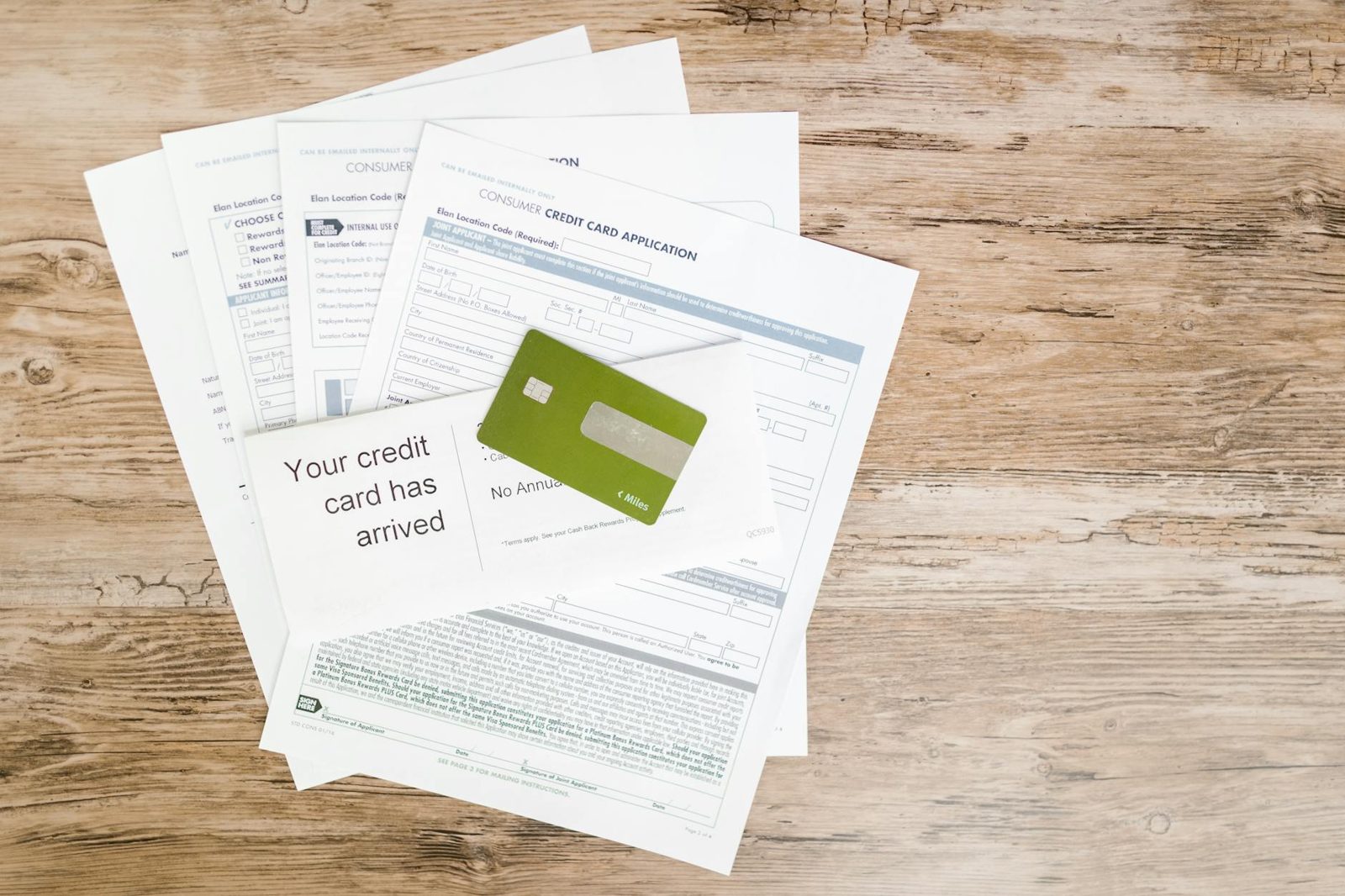
This phase is for finding out, in writing, where you actually stand. Most buyers skip it entirely. The buyers who don’t skip it have the easiest closings a year later.
Pull all three of your credit reports from AnnualCreditReport.com. Not the credit-monitoring product on your phone. The free, official reports from each bureau. Read them carefully. Look for accounts you don’t recognize, late payments you don’t remember, balances that don’t match what you owe, and anything that’s been reported in collections.
Identify any errors or items worth disputing. Errors take 30 to 90 days to resolve through the bureaus’ formal dispute process. Start now and you’ll have time. Wait and you won’t.
Inventory your debts. Make a single sheet listing every monthly debt payment — every credit card minimum, every car loan, every student loan, every personal loan, every BNPL plan you’re carrying. Add them up. This is the number that determines your DTI when you apply for a mortgage. Most buyers have at least one debt they forgot about until they made this list.
Pull two years of tax returns and your last 60 days of pay stubs. Confirm they actually exist where you think they are, and that the income they show matches what you’ll be claiming on a loan application. This sounds obvious. It’s the single most common surprise in pre-approval conversations.
Run a rough housing budget. Take your gross monthly income and multiply by 0.28. That’s the standard front-end DTI ceiling — what a lender will generally accept as a maximum housing payment relative to your income. The number you get back is roughly what you can afford to spend each month on principal, interest, taxes, insurance, and HOA combined. It is almost always smaller than the buyer expected. Better to know now than at month eleven.
Months 10 to 7 — The Repair and Reserve Phase

Now you’re using what you learned in the diagnostic phase to actively move your numbers in the right direction.
Pay down revolving credit card balances aggressively. Target sub-30% utilization on every card, sub-10% on your highest-limit cards. Utilization is one of the fastest-moving levers in a credit score. Pay balances down 30+ days before any credit pull so the lower number is what reports.
Knock out a small installment debt that’s almost paid off. If you have a car loan with six payments left, or a personal loan with three, paying it off cleanly removes a monthly debt obligation from your DTI calculation. Don’t pay off larger debts that take serious cash unless you’ve talked to a loan officer first — that cash is often more valuable as down payment or reserves than as debt elimination.
Open a separate savings account for your down payment and closing costs. “Seasoned” funds — money that’s been sitting in an account for 60-plus days — are the cleanest possible source for a mortgage. Money you’re going to spend on the home should live in one designated account from this point forward.
Set a real savings target. A useful planning rule for most markets: 5% to 10% of your target purchase price for down payment, plus another 3% to 5% for closing costs, plus a couple of months of housing payment as reserves. Some loan programs allow much less down. Some require more. But these numbers will get you in the neighborhood.
Avoid all new debt. No new credit cards. No car loans. No co-signing for family. No financed furniture. No BNPL plans. Anything new lands on your credit report and shows up on your DTI in ways that may be hard to reverse before applying.
Months 7 to 5 — The Lender and Market Phase

This is when you stop preparing in a vacuum and start engaging with actual lenders and the actual market you’ll be buying in.
Interview three loan officers. Not “shop a rate online.” Actually talk to three real loan officers — ideally one from a national lender, one from a local bank or credit union, and one independent broker. Have them each look at your situation, identify any issues that would affect your approval, and walk you through the programs they think fit you best.
Identify which loan program will likely work for you. Conventional, FHA, VA, USDA, or jumbo (see our jumbo loan guide for that one). Each has different down payment, credit score, and DTI rules. The right program for your file isn’t always the one with the lowest rate — it’s the one that gives you the strongest combined picture of rate, down payment, mortgage insurance, and reserve flexibility.
Get a preliminary pre-approval letter. Not a final pre-approval — those expire in 60-90 days and you’ll want a fresh one closer to your offer date — but a preliminary letter establishes the maximum loan amount you’re working with and lets you size your search accordingly.
Start actively studying the market you intend to buy in. Save searches on listing sites. Drive neighborhoods at different times of day. Note which homes sell quickly and which sit. Visit open houses without an agenda. Twelve weeks of passive market observation is worth more than three weekends of frantic touring.
Choose a real estate agent. Interview at least two. Ask about their typical client, their average sales price, how they handle multiple-offer situations, how they communicate during the contract-to-close window, and how they’re compensated under post-2024 NAR settlement rules. A buyer representation agreement is required before you tour homes with an agent, so get that signed once you’re confident in the fit.
Months 5 to 3 — The Refinement Phase
The pieces are largely in place. This phase is about sharpening.
Tighten your “must haves” vs. “nice to haves” list. Write it down. Three columns: needs, wants, and like-to-haves. Geography, school district, commute, condition, layout, outdoor space, garage, HOA tolerance. Get the list real before you fall in love with the first home that breaks one of your needs.
Get a fully underwritten pre-approval if your lender offers one. A fully underwritten approval — sometimes called “TBD underwriting” — has your file already reviewed by an actual underwriter, contingent only on finding a property. It’s the strongest possible position to write an offer from short of cash.
Confirm your closing cost reserves. This is the moment to verify the cash you’ll need at closing is actually liquid, in the right account, and properly sourced.
Talk through rate-lock strategy with your loan officer. When will you lock? What’s the lock length? Are there float-down options? Are there rate-buydown options available from sellers in your market?
Run your DTI one more time with the most current numbers. If anything has shifted — a raise, a new debt, a credit pull, a job change — your maximum loan amount may have changed too.
Months 3 to 1 — The Active Search Phase
Now you’re shopping for real.
Tour intentionally. 5 to 7 homes per outing is the maximum useful attention span. Re-evaluate the needs list every five or six homes. Photograph and take notes at every showing.
Have your agent set up real-time alerts. In competitive markets, the difference between seeing a listing on day one and day three is the difference between writing the strongest offer and being told the seller already has multiples.
Re-pull your credit and reconfirm pre-approval one final time before writing offers. Pre-approval letters have expiration dates. So do rate locks.
Get an agent-led pre-offer conversation with your loan officer in any seriously competitive market. Have the loan officer call the listing agent before you write.
The Final 30 Days — The Offer-to-Close Phase
When you find the right home, the work shifts from preparation to execution. Submit the offer with the strongest possible package. Hold steady financially from contract to close. Respond instantly to every documentation request. Schedule the inspection within the first 3 to 5 days of contract. Order the appraisal as early as possible. Bind homeowners insurance at least seven days before closing. Review the Closing Disclosure (CD) at least three business days before close. Confirm wire instructions by phone with the closing agent. Walk through within 24 hours of closing. Sign at the table. Get the keys. Change the locks the same day.
The Contrarian Insight Most Twelve-Month Buyers Miss
Here’s the part nobody tells you. The single highest-leverage thing you can do in this window is not what you do in months one through six. It’s what you don’t do.
What you don’t do is rack up new debt. What you don’t do is open a new credit card for a sign-up bonus. What you don’t do is finance a vehicle, even at zero percent. What you don’t do is change jobs unless your loan officer has explicitly told you it’s safe — and even then, plan for a 30 to 60 day income-stability window before you apply. What you don’t do is move large sums between accounts without writing down what the deposits are.
These aren’t dramatic actions. They’re the absence of dramatic actions. Buyers who plan twelve months out and then make a single avoidable financial move in month nine end up canceling out most of the benefit of the runway. The discipline isn’t glamorous. It just works.
Six Questions to Ask Yourself Now
- Have I pulled all three credit reports in the last 90 days?
- Do I know my actual debt-to-income ratio, written down?
- Is my down payment money in a designated account, seasoned for 60+ days?
- Have I talked to at least one real loan officer about my actual file?
- Have I run my actual maximum housing payment based on the 28% front-end DTI rule?
- Do I have a written list of needs vs. wants vs. like-to-haves for my home search?
If you answered no to two or more of those, the next 30 days are about closing those gaps. Do not start touring homes yet. Get the file right first.
What Great Buyers Actually Do Differently in the Twelve-Month Window
They Treat Months 12 to 10 as the Most Important Months
The diagnostic phase looks boring. It’s the most important part of the year. Buyers who do it well almost never get surprised at month eleven. Buyers who skip it almost always do.
They Talk to Loan Officers Before They Tour Homes
Touring before talking to a lender is the order most buyers default to. It’s the wrong order. The buyers who write the cleanest offers were already in active conversation with a loan officer 90+ days before they wrote.
They Keep Their Financial Picture Boring
Twelve months without a new credit card, a new car loan, a co-signed loan, or an unexplained large deposit is one of the most powerful positions a borrower can be in. Make boring the goal.
They Treat the Market Like a Subject They’re Studying
Three months of casual, low-pressure market observation — without any commitment to make an offer — teaches a buyer more about their target market than any single weekend of frantic showings.
They Build the Team Early
Lender, agent, attorney or title contact, insurance agent, and ideally the right inspector for the area. Identify each one before you need them.
They Run the Math One More Time
The single most overlooked move in the final month before offers is to re-run the math with the most current numbers. Rates shift. Insurance shifts. Property taxes for the specific neighborhood shift.
What Not to Do
Don’t wait until month ten to start. The whole point of the twelve-month runway is that the most valuable preparation happens early. Compress the runway and you compress the benefit.
Don’t take pre-approval as a finish line. A pre-approval is a snapshot. Your file is alive and moving. Anything that changes between approval and close can change the loan.
Don’t make any large or unusual financial moves in the final 60 days. Even moves you think are clearly positive — paying off a large debt, moving money for “convenience,” opening a new joint account — can complicate your file in ways that take weeks to unwind.
What Your Next Move Looks Like
- This week: pull all three credit reports from AnnualCreditReport.com, read them, list anything that needs dispute or attention.
- Within 30 days: list every debt you carry, calculate your current DTI, and open a designated savings account for your down payment funds.
- Within 90 days: interview at least one loan officer. Have them review your real file, identify any issues, and walk you through the programs that fit.
- Within 6 months: establish savings habits that move your reserves and down payment toward your target. Avoid all new debt.
- Within 9 months: choose an agent, sign a buyer representation agreement, and begin active market study in your target neighborhoods.
“Twelve months from now, the buyer who started today is far more likely to write a cleaner offer than the buyer who started six weeks before they wanted to close.”
The Bottom Line

A twelve-month runway to buying a home is not a long time. It feels like it. It isn’t. The buyers who treat it as a year of casual interest followed by a month of scramble end up paying for the lack of preparation in rate, in terms, in the property they actually get, and in the stress of the final 60 days. The buyers who treat it as a structured preparation year almost always close cleanly, on the right home, at the strongest possible terms.
You don’t need to be obsessive about it. You don’t need to read every real estate book on the shelf. You need to do the diagnostic work in months 12 to 10, the repair work in months 10 to 7, the lender and market work in months 7 to 5, the refinement in months 5 to 3, and the active search work in months 3 to 1. Each phase has a purpose. Each phase builds on the one before.
The next twelve months will pass either way. The only question is what you’ll have to show for them when the right home appears. Start this week. Do the diagnostic. The rest of the plan follows.
Cross-reference: if your timeline is shorter than twelve months, see our companion piece on what to do if you plan to buy a home in the next three months.