Final Walkthrough Checklist: What to Check Before Closing
You've made it through the offer, the inspection, the appraisal, and underwriting. Closing is almost here, and the final walkthrough is one of the last steps between you and the keys. It's tempting to treat it as a victory lap — a quick look around before you sign. It works better as a focused check: Is the home in the condition your contract describes, and did everything you agreed to actually happen?

What a Final Walkthrough Is (and Isn't)
The final walkthrough is a buyer's last look at the property before closing, generally to confirm two things: that the home is in the condition the contract calls for, and that the contract's terms were met. The CFPB's guide to closing the deal puts it simply: make sure everything you and the seller agreed would be repaired has been repaired, and that anything the seller agreed to leave in the house is in place.
It is not a second home inspection. Your inspector's job was to evaluate the home's condition in depth, and that happened earlier (for a refresher on its limits, see what a home inspection can and can't tell you). By the time of the walkthrough, your inspection and other contingency periods have often ended; how contingencies work explains why that timing matters.
When Does the Final Walkthrough Happen?
Your right to a final walkthrough, and its timing and access, generally come from your purchase contract rather than from a law that applies everywhere, and practices vary by state and market. Many walkthroughs are scheduled shortly before closing, often within a day or so. If you're not sure your contract provides for one, ask your agent. A few timing details are also worth confirming in advance:
- Utilities. Confirm the water, power, and gas (if any) will be on so you can actually test the systems.
- Move-out timing. If the seller is still moving out, a walkthrough too early may not show you the home's final condition.
- Seller occupancy after closing. If you've agreed in writing to let the seller stay for a period after closing, ask how and when the home's condition will be checked at move-out. If you're financing, make sure your lender knows about the arrangement. That written agreement, not general practice, controls. Some lenders limit post-closing seller occupancy, and in some states it can raise landlord-tenant or insurance questions, so check with your loan officer and, if needed, a real estate attorney licensed in your state.
What to Bring to the Final Walkthrough
- Your purchase contract and any repair agreement or amendment (the name varies by state and form), so you can check items against what was actually agreed
- Receipts or invoices for completed repairs, if the seller has provided them
- Your inspection report, to find the specific items that were supposed to be addressed
- Your phone, for date-stamped photos and video
- A phone charger, to plug into outlets and confirm they have power
- A flashlight, for under sinks, closets, the attic hatch, and the water heater area
Your real estate agent typically attends with you. If you're buying from a distance, ask your agent what options exist for a remote walkthrough, such as a live video call, and how you'd confirm repairs you can't see in person.

Final Walkthrough Checklist: What to Check
Agreed repairs
- Go item by item through the repair agreement and confirm each repair was done as described
- Ask for receipts, invoices, and any transferable warranties, and note who performed the work
- Check that the area around each repair is left in reasonable condition, with no new leaks, debris, or unfinished patches
Items that convey with the home
- Appliances listed in the contract are present, and they're the same ones
- Fixtures such as light fixtures, ceiling fans, and mounted items that were supposed to stay are still in place
- Window treatments, if the contract includes them
- Anything specifically negotiated, such as a shed, a mounted TV bracket, or a pool cover
Systems and appliances
- Heating and cooling: run the heat and the air conditioning long enough to feel the change at the vents. If the weather makes testing one mode impractical, ask what documentation exists, such as a recent service record.
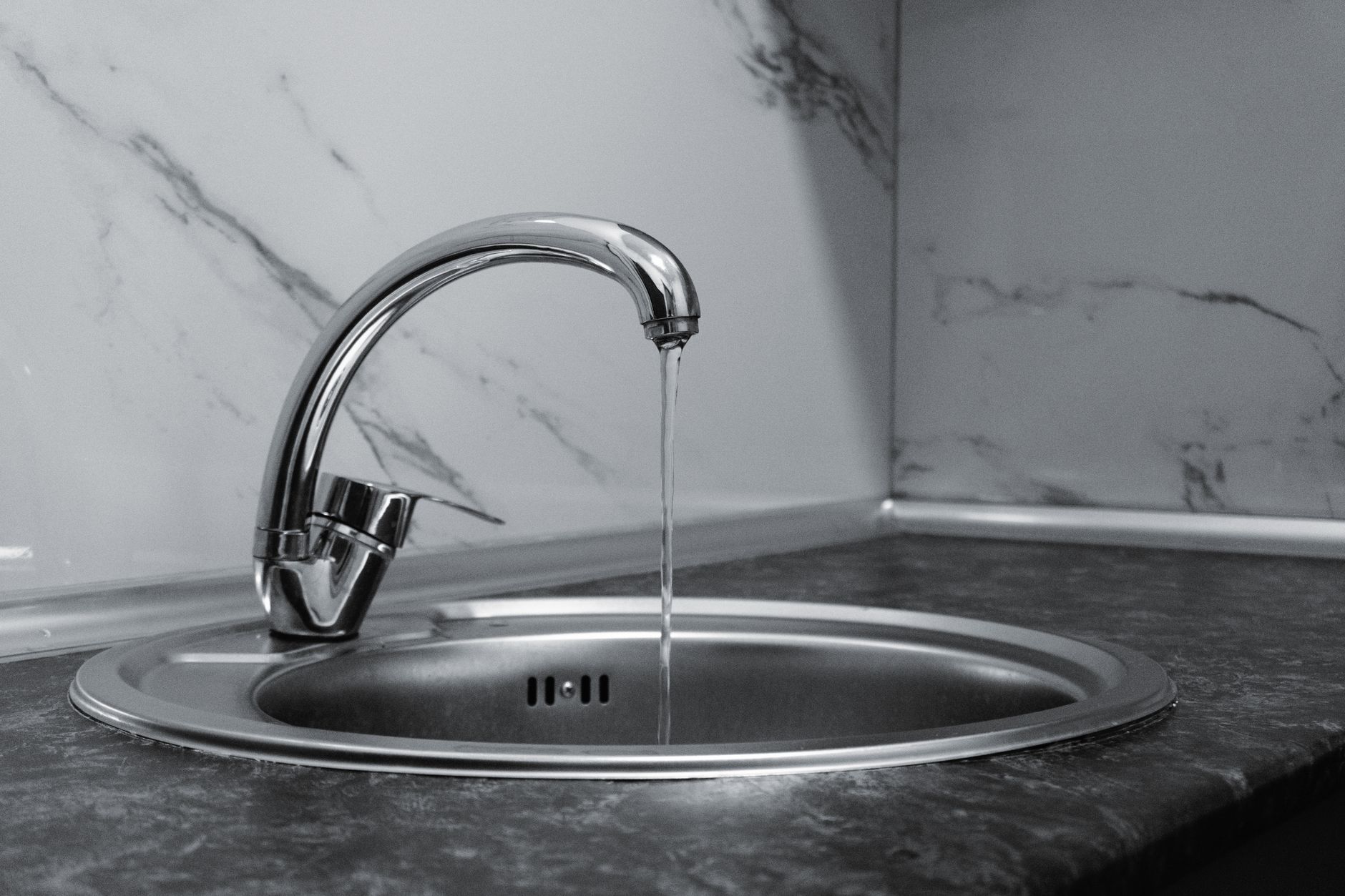
- Plumbing: run every faucet and shower, check for hot water, flush every toilet, and look under sinks and around the water heater for drips or fresh stains
- Appliances: turn on the range, oven, dishwasher, refrigerator, washer, dryer, and disposal, if they convey
- Electrical: flip light switches and test outlets with your charger
- Garage: open and close the door with each remote and the wall button
- Doors, windows, and locks: open, close, and lock them, including sliding doors
- Alarms: check that smoke and carbon monoxide alarms are present and respond to their test buttons
You're not hunting for every imperfection, just confirming that what worked when you made your offer still works.
Condition after move-out
- Look for new damage from moving: gouged floors, dented walls, damaged door frames, or scraped railings
- Check spaces that were hidden by furniture or rugs; they sometimes reveal stains or damage no one could see before
- Confirm the seller's belongings and trash are gone, including in the garage, attic, sheds, and yard, unless you agreed otherwise
- Note leftover paint cans, chemicals, or building materials; what the seller must remove depends on your contract and local rules
Keys, codes, and paperwork
- House keys, mailbox keys, and any gate or amenity fobs
- Garage remotes and keypad codes
- Alarm system codes and account information, if a system conveys
- Appliance manuals, warranty paperwork, and records of recent service
If some of these will be handed over at closing rather than at the walkthrough, confirm where each one will be. Many new owners also choose to have locks rekeyed after closing, since there's no way to know how many copies exist.
What Most Buyers Get Wrong: It's Not a Do-Over
The walkthrough is your last chance to confirm the deal you already made — not to renegotiate the one you wish you'd made.
Buyers sometimes walk in with fresh eyes and a new list: the carpet looks more worn without furniture, the kitchen feels darker than they remembered, the deck needs stain. Those observations may be real, but if they existed when you made your offer and weren't part of your agreement, they generally aren't walkthrough issues. Raising them at the last minute can strain a closing that everyone is counting on, without much to show for it.
The flip side matters just as much. A missing appliance, a repair that wasn't done, a leak that wasn't there before, or a hole in the wall from move-out is exactly what the walkthrough exists to catch. Be thorough about what the contract covers and realistic about what it doesn't. The question to ask about every flaw is simple: was this here when you made your offer, and was it addressed in the agreement?

What to Do If Something's Wrong at the Final Walkthrough
- Stop and document. Take clear, date-stamped photos and video, and note exactly what's wrong and where.
- Call your agent before closing. The CFPB's guidance is to raise a problem with the seller right away; your agent typically handles that conversation with the seller's side.
- Don't sign anything you don't understand. HUD's guide to buying a home puts it plainly: be sure to read everything before you sign.
- Get the resolution in writing. Whatever you and the seller agree to, it generally belongs in a signed amendment or addendum, not a verbal promise at the closing table.
How a problem gets resolved depends on your contract, your lender, your state, and what the seller agrees to. Common options include:
| Possible resolution | How it generally works | What it can depend on |
|---|---|---|
| Seller fixes it before closing | The seller completes or corrects the item, ideally with documentation, and you re-check it | Time before closing, contractor availability, and agreement on the fix |
| Credit or price change | The parties agree in writing to a credit or a price adjustment instead of a repair | Lender approval, loan program rules, and a possible revised Closing Disclosure |
| Repair escrow or holdback | Money is held back at closing and released once the work is completed | Whether your lender and loan program allow it, the type of repair, and local practice |
| Delaying closing | The closing date is moved to give time to resolve the issue | Your contract, the seller's agreement, and lender and rate lock timelines |
Last-minute money changes usually have to go through your lender. According to the CFPB, if something important changes about your loan, you receive a new Closing Disclosure, and in limited circumstances the law requires a full three business days to review it before closing — which can push your date back. Compare any revised figures against your original estimate (see how to read a Loan Estimate), and if a closing document looks wrong, the CFPB suggests you call your loan officer or settlement agent to get it fixed right away.
If you and the seller can't agree, or the problem is significant, a real estate attorney licensed in your state can explain your options under the contract before you decide whether to close.

New Construction: The Punch List Walk
With a newly built home, the final walkthrough often looks different. Many builders schedule a walk with the buyer, sometimes called a punch list, orientation, or "blue tape" walk because unfinished items are marked with painter's tape. The goal is to list anything incomplete or not built as agreed so the builder can address it. Builder contracts often set their own rules for when that walk happens, what counts as a punch list item, and what's handled later under the builder's warranty, so read the contract and warranty documents closely. Many buyers also hire an independent home inspector (licensed, where the state requires it) before this walk.
Frequently Asked Questions
How long does a final walkthrough take?
Longer than a quick lap. Running every faucet, appliance, and heating and cooling mode, and checking each agreed repair, takes real time, and more in a larger home. Schedule it so you aren't racing to the closing appointment, with enough buffer to raise anything you find.
Can I back out after the final walkthrough?
Whether you can walk away depends on your contract and the circumstances. Depending on the problem and the contract, the parties may resolve it through a fix, a credit, or a delay rather than cancellation, and backing out without a contractual basis may put your earnest money at risk. Talk with your agent and a real estate attorney licensed in your state before deciding.
What if the seller hasn't moved out by the final walkthrough?
Your contract typically states when you get possession. If the seller or their belongings are still in the home and you haven't agreed to a post-closing occupancy arrangement, tell your agent right away. Some buyers and sellers resolve this with a written occupancy agreement or by adjusting the timing. If you're financing, tell your loan officer before agreeing to let the seller stay after closing, because lenders and loan programs may have rules about that for a home you're buying as your primary residence. Your agent and, if needed, an attorney can help you weigh the options.
The Bottom Line
The final walkthrough is short, but it's one of the last points where a problem can still be raised with the seller before the house is yours. Bring the contract, test everything that's supposed to work, confirm every agreed repair, and stay focused on the deal you actually made. If something's wrong, document it and call your agent before you sign; then see what happens at closing for the last step.
This article is for general educational purposes only and is not legal, tax, financial, or insurance advice. Laws, program rules, costs, and practices vary by state, locality, and situation and can change. Walkthrough timing, repair obligations, and remedies depend on your purchase contract and state law, and your contract's language controls. For contract questions, talk with your real estate agent and a real estate attorney licensed in your state; for how a credit, price change, or repair escrow could affect your loan, consult a licensed loan officer. Loan terms and availability vary by lender and borrower.