Pre-Listing Home Inspection: Is It Worth It for Sellers?
What You’ll Learn
- What a pre-listing home inspection gives you: time, repair quotes, and a choice to fix, price in, credit, or disclose
- Why what you learn can create or expand disclosure obligations, and why those rules vary widely by state
- What the federal lead-based paint disclosure rule requires for most homes built before 1978
- Middle paths like targeted roof, HVAC, sewer, septic, and chimney inspections or contractor estimates
- Why the real decision isn't whether your home has findings, but when you want to learn about them
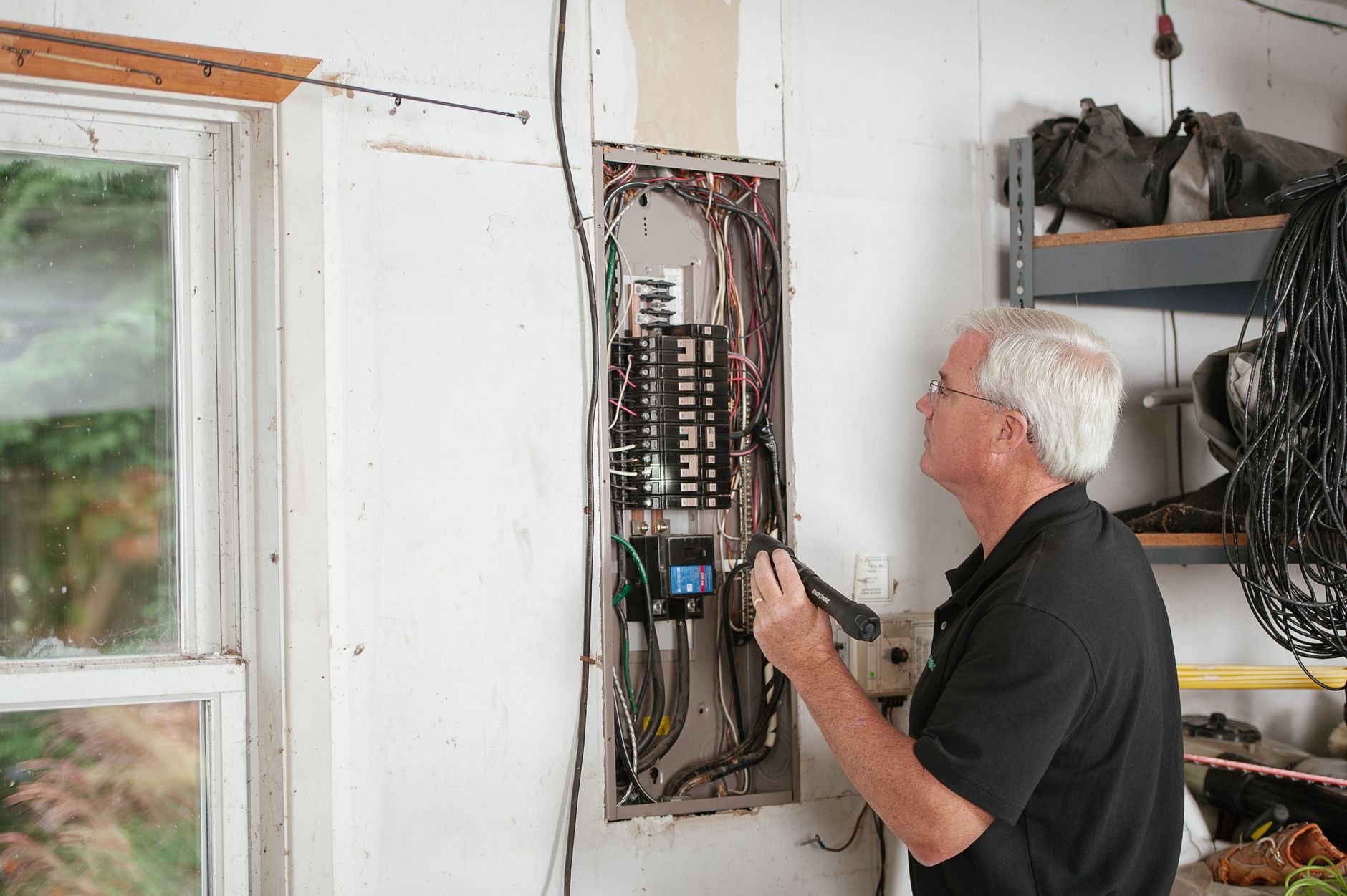
A pre-listing home inspection is an inspection you order on your own home before it goes on the market. It sounds like pure upside: find the problems first, fix them, and glide through the buyer's inspection. The reality is a trade-off. You gain time and options, but you also gain knowledge — and in many states, what you know about your home's condition shapes what you have to disclose.
Neither choice is automatically right. It depends on your home, your state's disclosure rules, and how much you value predictability.
What Is a Pre-Listing Home Inspection?
It's generally the same kind of inspection a buyer would order: a visual, non-invasive look at the home's readily accessible systems and components — roof, structure, electrical, plumbing, heating and cooling, and so on — written up in a report.
What it isn't: a certification of the home's condition, a code-compliance review, an appraisal, or a substitute for the buyer's own inspection. For more on scope and limits, see what a home inspection can and can't tell you.
The Case for a Pre-Listing Home Inspection
- You learn about problems on your timeline. Before listing, you can gather repair quotes, schedule work without a contract deadline, and decide calmly. During a buyer's inspection period, the clock is short and everyone is watching.
- You choose the response. For each finding, you can repair it, price the home with it in mind, plan to offer a credit, or disclose it and let buyers factor it in.
- You can price with better information. A known issue with the roof or heating system can be reflected in your list price instead of surfacing mid-deal, where it tends to reopen negotiations.
- You may reduce renegotiation risk. Surprises during the buyer's inspection period can prompt repair requests, price reductions, or a terminated contract. Issues already addressed or disclosed are harder to use as fresh leverage.
- You have real numbers. Written repair estimates in hand let you answer a buyer's request with facts instead of guesses.
The Case Against: Costs and Risks to Weigh
It costs money, and it rarely replaces the buyer's inspection
You pay for the inspection and any add-ons, and pricing varies with the home's size, age, location, and the scope you choose. Meanwhile, buyers generally still order their own inspection, because they want an inspector working for them. HUD's consumer notice, For Your Protection: Get a Home Inspection, encourages buyers to get one and stresses that an appraisal is not a home inspection. A pre-listing report usually adds to the buyer's inspection rather than replacing it.
What you learn may become something you have to disclose
This is the risk sellers tend to underestimate. Seller disclosure laws vary widely. Some states require detailed disclosure forms; others lean closer to "buyer beware," though concealing or misrepresenting known defects can still create legal exposure. In many states, the obligation turns on what the seller actually knows — and an inspection report is a very efficient way to know things.
The details differ from state to state. Some disclosure forms let owners decline to make representations on certain questions, but that may not protect a seller who conceals or misrepresents a known defect. In many states, a real estate agent also has a separate duty to disclose material facts they know about, so a defect you share with your listing agent may need to be disclosed regardless of how you answer your own form.
North Carolina is one example. Its disclosure form lets owners answer many questions with "No Representation," yet the North Carolina Real Estate Commission reminds brokers that an owner's failure to disclose hidden defects may still result in civil liability. Your state may handle this quite differently.
Some state disclosure forms also ask whether you've had inspections or received inspection reports, so look at your state's form before you order one. Ask your agent — and, where appropriate, a real estate attorney licensed in your state — how the findings would affect your disclosure obligations. For how buyers read those disclosures, see how to read a seller's disclosure without missing red flags.
The report can become a negotiation document
Hand buyers a full report and some will treat every line as a request. Reports are thorough by design, and routine maintenance notes can look alarming out of context. Whether to share the full report, a summary with repair receipts, or only what your disclosure obligations require is a decision to make with your agent, who may have disclosure duties of their own.

Lead Paint Disclosure for Homes Built Before 1978
One disclosure requirement applies nationwide. Under the federal lead-based paint disclosure rule, sellers of most housing built before 1978 must disclose known lead-based paint and lead-based paint hazards, provide buyers any available records and reports about them, and give buyers the EPA pamphlet Protect Your Family From Lead in Your Home. Buyers generally get a 10-day opportunity to test for lead, which the parties can change in writing or the buyer can waive. Agents have responsibilities under the rule too, and some properties are exempt; the EPA's real estate disclosure page lists the details.
Why this matters here: if you commission a lead inspection or risk assessment on a pre-1978 home, the resulting report is the kind of record the rule says goes to buyers. And a standard home inspection generally isn't designed to test for lead or other hazardous substances, so a clean general report doesn't answer the lead question.
Middle Paths: Targeted Inspections and Contractor Estimates
A full inspection isn't the only option. Some sellers focus on the systems most likely to raise questions for their type of home:
- Roof evaluation, especially on an older roof
- HVAC service with a written service record
- Sewer scope, a camera inspection of the main sewer line, often considered for older homes or lots with large trees
- Wood-destroying insect inspection where termites and similar pests are common
- Septic inspection for homes on a private septic system
- Chimney inspection for homes with a fireplace or wood stove
Another option is getting contractor estimates for issues you already know about. If the water heater is near the end of its life, a written quote may tell you more than a full inspection would. The disclosure question doesn't disappear, though: a targeted inspection that finds a defect creates knowledge just like a full one.

What to Do With the Findings
Most findings come down to four basic responses, each with its own trade-off:
| Option | When it can make sense | The trade-off |
|---|---|---|
| Fix it | Hazards, active leaks, and inexpensive repairs likely to draw attention in the buyer's inspection | Costs money up front; use licensed contractors and pull permits where required, and keep the paperwork |
| Price it in | Larger items a buyer may prefer to handle their own way | Can invite offers that discount the issue by more than it would cost to fix |
| Offer a credit | When a buyer would rather choose the contractor and the finishes | Reduces your net proceeds; the buyer's loan program may limit credits |
| Disclose it and sell as-is | Projects you don't want to take on before listing | Buyers still inspect and may still negotiate or walk away |
Whatever you choose, document it. Keep receipts, warranties, permits, and contractor information in one folder so you can answer disclosure questions accurately and show buyers what was done. Unpermitted work can surface later in a buyer's due diligence. If you're leaning toward the last row, selling as-is has its own trade-offs. Every repair or credit also changes your bottom line, so fold it into your seller net proceeds estimate.

Choosing an Inspector
Home inspector licensing varies by state. Some states license home inspectors, while others don't regulate the profession at the state level. Where your state does license them, you can generally confirm a license with the state board or agency. Either way, questions worth asking include:
- What standards of practice do you follow, and what do they exclude?
- Can I see a sample report?
- Which specialty inspections, if any, would you suggest for this home, and do you perform them or refer them out?
- What does your inspection agreement say about scope and liability?
What Most Sellers Get Wrong: It's About Timing, Not Problems
The usual pitch for a pre-listing inspection is that it finds problems. But every house has findings, and the buyer's inspector will likely see the visible ones either way. The real question is when you want to learn about them.
A pre-listing inspection isn't about finding problems. It's about choosing when you find them — and accepting that once you know, you know.
Learn before listing, and you get time, quotes, and choices, along with knowledge you may have to disclose. Learn during the buyer's inspection period, and you skip the cost, but you respond on a deadline to a buyer who already has the report. Neither path makes the findings go away; each just moves them to a different point in the process.
Seen that way, a pre-listing inspection tends to fit sellers who value predictability, own an older home or one with deferred maintenance, or need a smooth timeline for a next purchase. Skipping it can be reasonable when the home is newer and well documented, when you plan to sell as-is regardless of what's found, or when the results wouldn't change what you'd do. Your agent can help you weigh which describes your situation.

Frequently Asked Questions
Is a pre-listing inspection worth the cost?
It depends on your home and your goals. It tends to add the most value when findings could change your price, your repairs, or your timeline, and less when the home is newer and well documented. Weigh the cost against the surprise risk you're trying to reduce, and ask your agent how buyers in your market typically approach inspections.
Do I have to disclose what a pre-listing inspection finds?
Disclosure rules vary by state, so there's no single answer. In many states, obligations turn on what the seller knows, and an inspection report can be a source of that knowledge. For most homes built before 1978, the federal rule requires disclosing known lead-based paint information and providing available reports. Ask your agent and a real estate attorney licensed in your state how the rules apply to you.
Will buyers still get their own inspection?
Generally, yes. Many buyers want an inspector working for them, and HUD's consumer guidance encourages buyers to get their own. A pre-listing report can set expectations and reduce surprises, but it rarely replaces the buyer's inspection.
The Bottom Line
A pre-listing home inspection trades money and a disclosure question for time and options. For some sellers that's a good trade; for others, a targeted inspection, a few contractor estimates, or no inspection at all fits better. Make the call with your agent before you book an inspector — not after the report arrives.
This article is for general educational purposes only and is not legal, tax, financial, or insurance advice. Laws, program rules, costs, and practices vary by state, locality, and situation and can change. For questions about disclosure obligations, your listing agreement, or your purchase contract, talk with your real estate agent and a real estate attorney licensed in your state. For questions about your home's condition and repairs, rely on a licensed or qualified home inspector and licensed contractors.