Replacement Cost vs. Actual Cash Value: How Claims Are Settled
What You’ll Learn
- How replacement cost and actual cash value differ, and why depreciation is the dividing line
- Why replacement cost claims are often paid in two stages, and what can trigger the second payment
- How the dwelling, personal property, and roof can each be settled differently under one policy
- What extended and guaranteed replacement cost, inflation guard, and ordinance or law coverage do
- How an insurance-to-value provision can reduce a partial-loss payment, and what to check on your declarations page
Most homeowners know roughly how much coverage they carry. Far fewer know how their policy actually settles a claim — and that detail can matter as much as the limit itself. The choice between replacement cost vs. actual cash value determines whether a claim is measured by what it costs to repair or replace something today, or by what that thing was worth after years of wear. You typically find out which one you have in one of two ways: by reading your policy, or by filing a claim.

For the broader picture of what a standard policy covers, start with Homeowners Insurance 101. This article focuses on how claims get settled.
What's the Difference Between Replacement Cost and Actual Cash Value?
The Insurance Information Institute (III), in its guide to insurance for your house and personal possessions, draws the line this way: a replacement cost policy generally pays to repair or replace damaged property with materials of similar kind and quality without deducting for depreciation, while an actual cash value policy pays the cost to replace the item minus depreciation.
Depreciation is the reduction in value from age, wear, and condition. That's the whole difference, and it can be a big one. How actual cash value is defined and calculated — including which costs can be depreciated — can vary by state law and policy language, so your policy's definition and your state's rules control. Say a pipe bursts and ruins a hallway's flooring and an older sofa. Under a replacement cost settlement, the claim is generally measured against what comparable new flooring and a comparable sofa cost now. Under actual cash value, the insurer generally subtracts depreciation first, so an item with many years of wear may be valued at a fraction of its replacement price. In both cases, your deductible generally applies.
| Question | Replacement cost | Actual cash value |
|---|---|---|
| What is the claim measured against? | Cost to repair or replace with similar kind and quality today | Generally, replacement cost minus depreciation (definitions vary by state and policy) |
| Does age and wear reduce the amount? | Generally not, once the repair or replacement is completed | Yes, depreciation is subtracted |
| How is it often paid? | Frequently in two stages (see below) | Generally as a single depreciated amount |
| What decides the details? | Your policy form, endorsements, carrier, and state rules | |
How Replacement Cost Claims Are Often Paid: Two Checks, Not One
Many people assume replacement cost means one full check. Often it doesn't. The North Carolina Department of Insurance explains in its guide to actual cash value vs. replacement cost value that an insurer may first pay the actual cash value, then reimburse the additional amount once the item is repaired or replaced and receipts are submitted. That held-back amount is commonly called recoverable depreciation. The Texas Department of Insurance describes the same pattern for roof claims: a partial first payment, with the rest sent after repairs have started.
That second payment usually comes with conditions. Policies typically set a deadline for completing repairs or replacement and claiming the balance, and some states have their own rules on that timing. Keep receipts, contracts, and photos, and ask your adjuster in writing what documentation and deadlines apply to your claim. The step-by-step guide to filing a homeowners insurance claim covers the rest of the process.

Your House and Your Belongings Can Be Settled Differently
A homeowners policy is really several coverages in one, and each can have its own settlement terms. The dwelling (the structure itself) might be settled on a replacement cost basis while your personal property (furniture, clothing, electronics) is settled at actual cash value, depending on the policy form and endorsements. Florida's Insurance Consumer Advocate, for example, describes personal property replacement cost coverage as an endorsement — an add-on to the base policy. If your contents are on actual cash value and you haven't added that endorsement, a claim for older belongings may be measured after depreciation.
Some older homes are a special case. The III notes that a policy form designed for older homes usually reimburses on an actual cash value basis, and that full replacement cost policies may not be available for some older homes.
Roofs: Where Many Policies Draw a Different Line
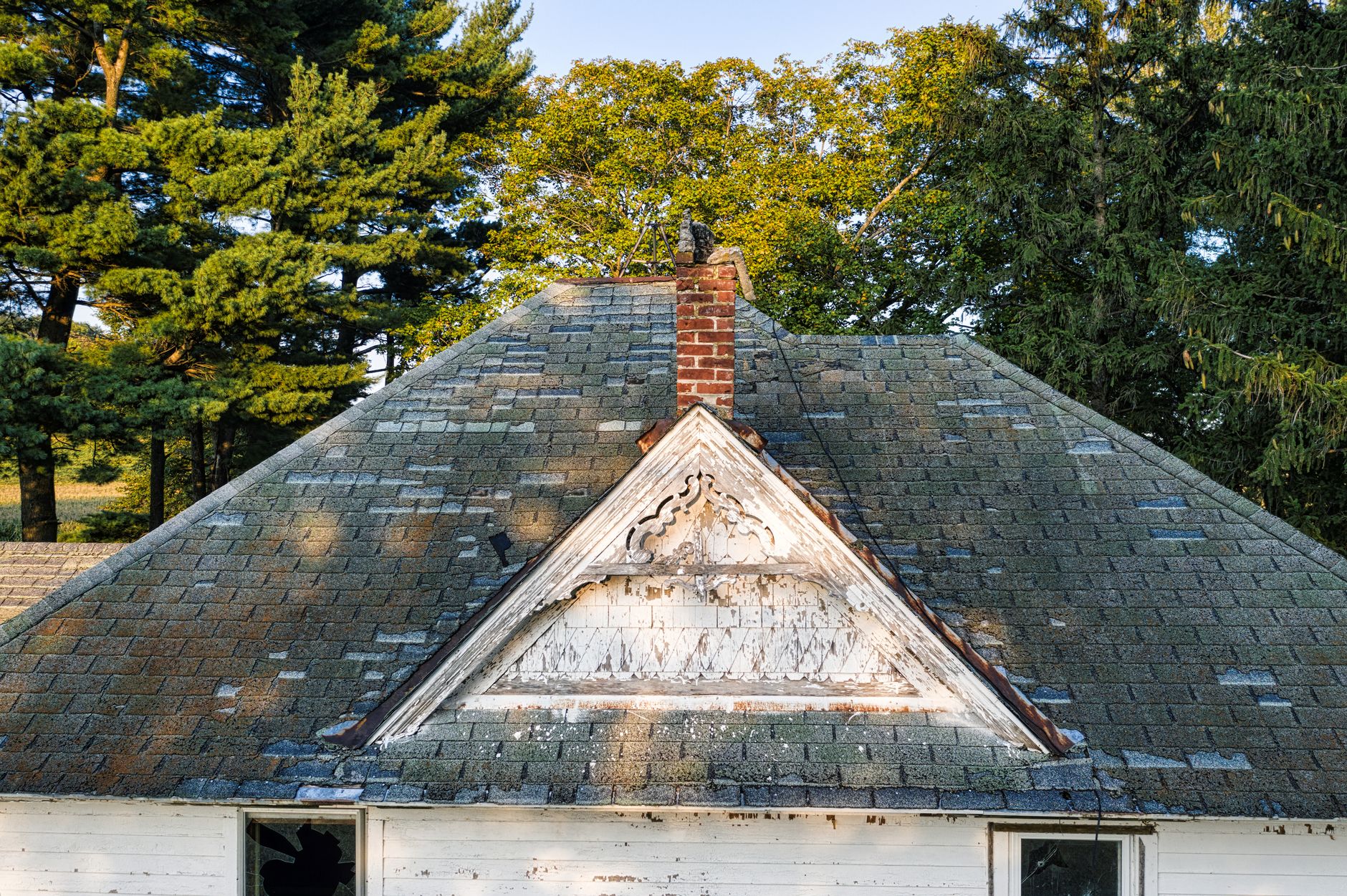
Roof coverage has become one of the most important places to read closely. The Texas Department of Insurance's consumer tip on insurance and your roof notes that as roofs age, some companies switch to actual cash value, and that a roof in poor condition may not be covered at all. Iowa's insurance regulator has similarly noted that many homeowners policies now include an endorsement specifically addressing how roof damage is settled. Depending on the policy, that can mean actual cash value for the roof, or a payment schedule that pays a declining percentage of the roof's replacement cost as it ages — sometimes even when the rest of the house is on replacement cost.
Two practical takeaways. First, check your renewal paperwork for roof-related changes, since terms can shift at renewal. Second, know your roof's age and condition — our guide to roof lifespan and warning signs can help you understand where yours stands. If your policy has a separate wind or hail deductible, that can affect a roof claim too.
Extended and Guaranteed Replacement Cost
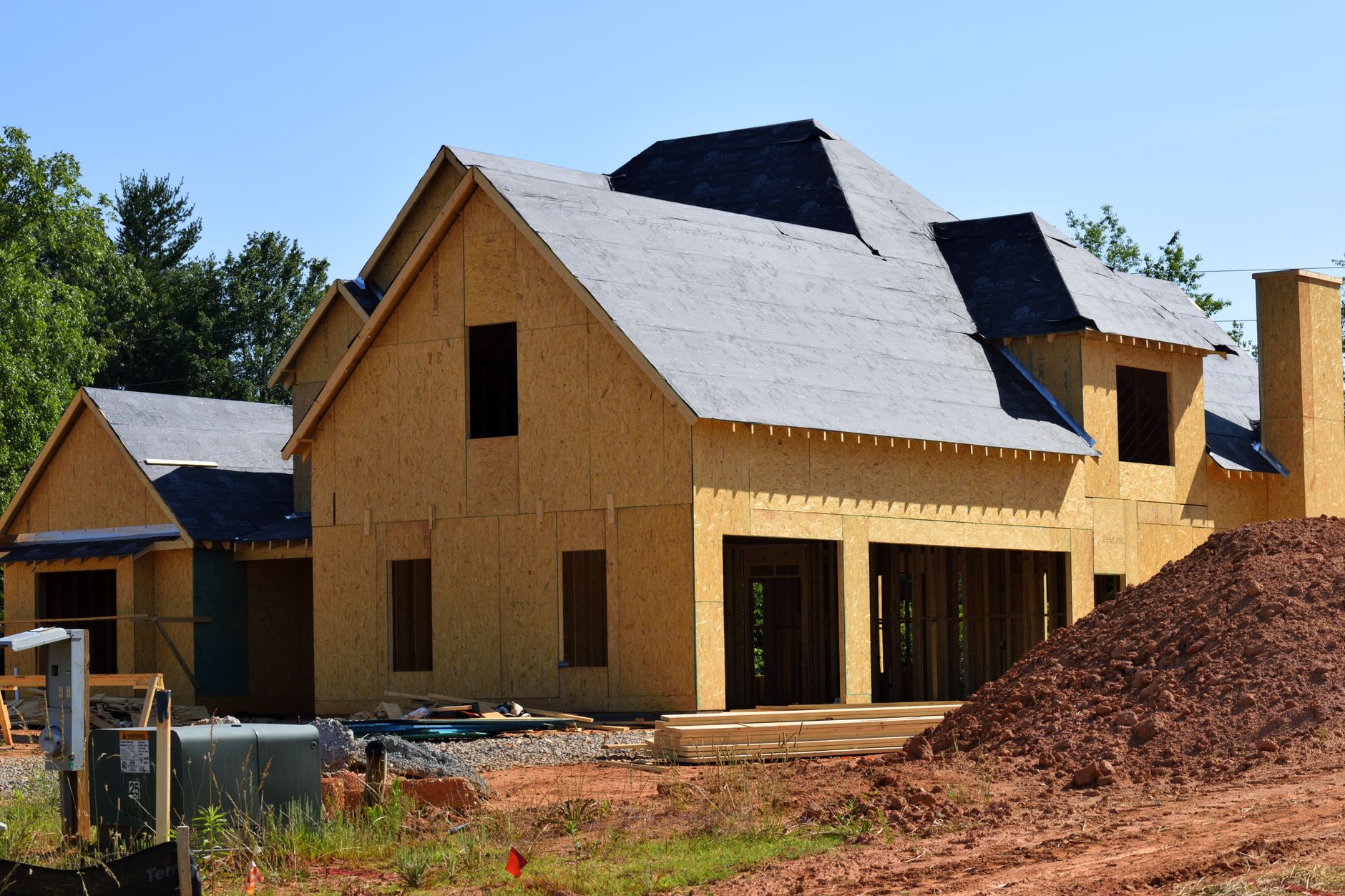
Replacement cost coverage is still capped by your dwelling limit. If rebuilding costs climb above that limit — after a widespread disaster, for instance, when labor and materials are in demand — the gap can be yours. Two options may help, if your carrier offers them. According to the III, extended replacement cost can pay up to a set percentage above your dwelling limit, with the percentage varying by insurer. Guaranteed replacement cost is designed to pay what it costs to rebuild your home as it was before the loss, even if that exceeds the limit. Neither is designed to pay for a home that's better than the one you had, and availability varies.
Two related features, both described in the same III guide, are worth looking for on your policy:
- Inflation guard. Many policies include a clause that adjusts the dwelling limit at renewal to reflect current construction costs.
- Ordinance or law coverage. If rebuilding requires bringing the home up to current building codes, many policies provide limited or no coverage for those extra costs. Some include a small amount of ordinance or law coverage, and insurers offer endorsements that can add more.
The Insurance-to-Value Trap on Partial Losses
Here's a provision that surprises people even on smaller claims. Some replacement cost policies include an insurance-to-value provision, which expects your dwelling limit to be reasonably close to what it would cost to rebuild. The NAIC's consumer guide to homeowners insurance says it's important to insure your home for at least 80 percent of its replacement value. The Mississippi Insurance Department's homeowners insurance guide explains the consequence: if you insure for less than 80 percent of replacement cost, the company isn't obligated to pay the full cost of a partial loss minus the deductible, and the payment may instead be the greater of actual cash value or a prorated amount.
In other words, being underinsured can shrink a partial claim, not just a total loss. The exact provision, percentage, and formula depend on your policy and state, so ask your licensed insurance agent how yours is written.
Should Your Coverage Match Your Home's Market Value?
It's natural to think of your home's value as what you paid or what it would sell for. Insurance works differently. The III's guidance ties the amount of coverage to rebuilding costs, not the price of your home, and notes that rebuilding can cost more or less than what you paid or could sell for. The NAIC also notes that replacement cost doesn't include the value of the land, which is part of any sale price but isn't something a policy rebuilds.
Rebuild cost also moves over time. Renovations, additions, and upgraded finishes can raise it, which is why the III suggests making sure your insurance agent knows about improvements. Construction costs change, too — one of the factors covered in our article on why renewal premiums jump.
What Most People Get Wrong: Finding Out After the Loss
The common mistake isn't choosing the wrong settlement method. It's never looking. Many homeowners learn whether they have replacement cost or actual cash value from an adjuster, after the damage, when the only thing left to do is read the fine print they already agreed to.
The easiest time to learn how your policy pays a claim is on an ordinary afternoon, not the week after a storm.
Your declarations page is the summary at the front of the policy. Here's what to look for there and in the endorsements that follow:
- Dwelling limit. Does it reflect a current estimate of rebuilding cost, including recent improvements?
- Loss settlement for the dwelling. Replacement cost, actual cash value, or something else?
- Loss settlement for personal property. Is there a replacement cost endorsement for contents?
- Roof terms. Any endorsement or schedule that settles roof damage differently?
- Extended or guaranteed replacement cost, inflation guard, and ordinance or law. Which, if any, are listed, and with what limits?
- Deductibles. Including any separate wind, hail, or named-storm deductible.
Then take your questions to a licensed insurance agent. Useful ones include:
- How would a partial loss to my roof be settled under this policy, given its age?
- If I have a replacement cost claim, what triggers the second payment, and what is the deadline?
- Is my dwelling limit high enough to avoid an insurance-to-value reduction on a partial loss?
- What would it cost to add or change an endorsement, and what would it change?
- How are depreciation calculations handled, and do any state rules apply?
It can help to get the answers in writing, so they're easy to find if you ever need to file a claim.

Frequently Asked Questions
Is replacement cost or actual cash value better?
It's a trade-off rather than a universal answer. Replacement cost generally measures claims without subtracting depreciation, which can mean a larger settlement, while the Texas Department of Insurance notes that actual cash value policies cost less but also pay less when you have a claim. A licensed insurance agent can walk you through how each option would work for your home and budget.
Why was my first claim check less than the repair estimate?
On many replacement cost policies, the first payment reflects actual cash value, meaning depreciation has been held back, and your deductible is subtracted as well. The held-back amount, often called recoverable depreciation, may be paid after the repair or replacement is completed and documented, within your policy's deadline. Ask your adjuster to explain the calculation in writing.
Can I switch from actual cash value to replacement cost?
Sometimes. It depends on the carrier, your state, and the home itself; an older home or an older roof can limit what's offered. The change may come through an endorsement or a different policy form, and it can change your premium. A licensed insurance agent can tell you what's available for your home.
The Bottom Line
Replacement cost and actual cash value can produce very different settlements for the same damage, and one policy can use both — for the house, your belongings, and your roof. How your claim is measured depends on your policy, endorsements, carrier, and state. The time to find out is before you need it: read your declarations page, then talk it through with a licensed insurance agent.
This article is for general educational purposes only and is not legal, tax, financial, or insurance advice. Laws, program rules, costs, and practices vary by state, locality, and situation and can change. Coverage, exclusions, and claim settlement terms depend on your specific policy, endorsements, carrier, and state. Review your policy documents and consult a licensed insurance professional.