Summer Homebuying Tips: How to Win in the Busiest Season Without Getting Burned
Summer is the year’s most competitive home-buying season — for the same reasons that make it the easiest to make expensive mistakes in. Here’s how serious buyers play it.
If you’re buying a home this summer, you’re walking into the busiest, most competitive, and most emotionally charged stretch of the year. Inventory is at its highest, but so is demand. Showings happen on tight timelines. Offers go in fast. Listings get multiple bids in the first weekend. School calendars push many buyers to close before August. Vacation schedules are scrambling everyone’s availability. And every part of the process — lenders, agents, inspectors, appraisers, title companies — is operating at peak load.
It is, statistically and structurally, the season most buyers transact in. It is also the season most likely to produce a deal the buyer regrets six months later.
The buyers who win in summer don’t win because they want a home more. They win because they’re better prepared than the buyers they’re competing with. Their financing is tighter. Their offer terms are sharper. Their decision-making is faster but not rushed. They know when to walk and when to push. They’ve thought through what summer-specific risks look like — heat-driven inspection blind spots, school-calendar pressure, vacation-driven scheduling cracks — and they’ve planned around them.
This is the practical, no-fluff version of the summer homebuying conversation. What’s actually different about buying in summer. The mistakes buyers make in this season specifically. The things you can do now to position yourself ahead of the competition. And the contrarian moves that smart buyers use when the market is hottest.
"Summer rewards the prepared and punishes the rushed. Most buyers don’t know which one they are until they’ve already written the offer."
You Are Not Alone in Feeling the Summer Pressure
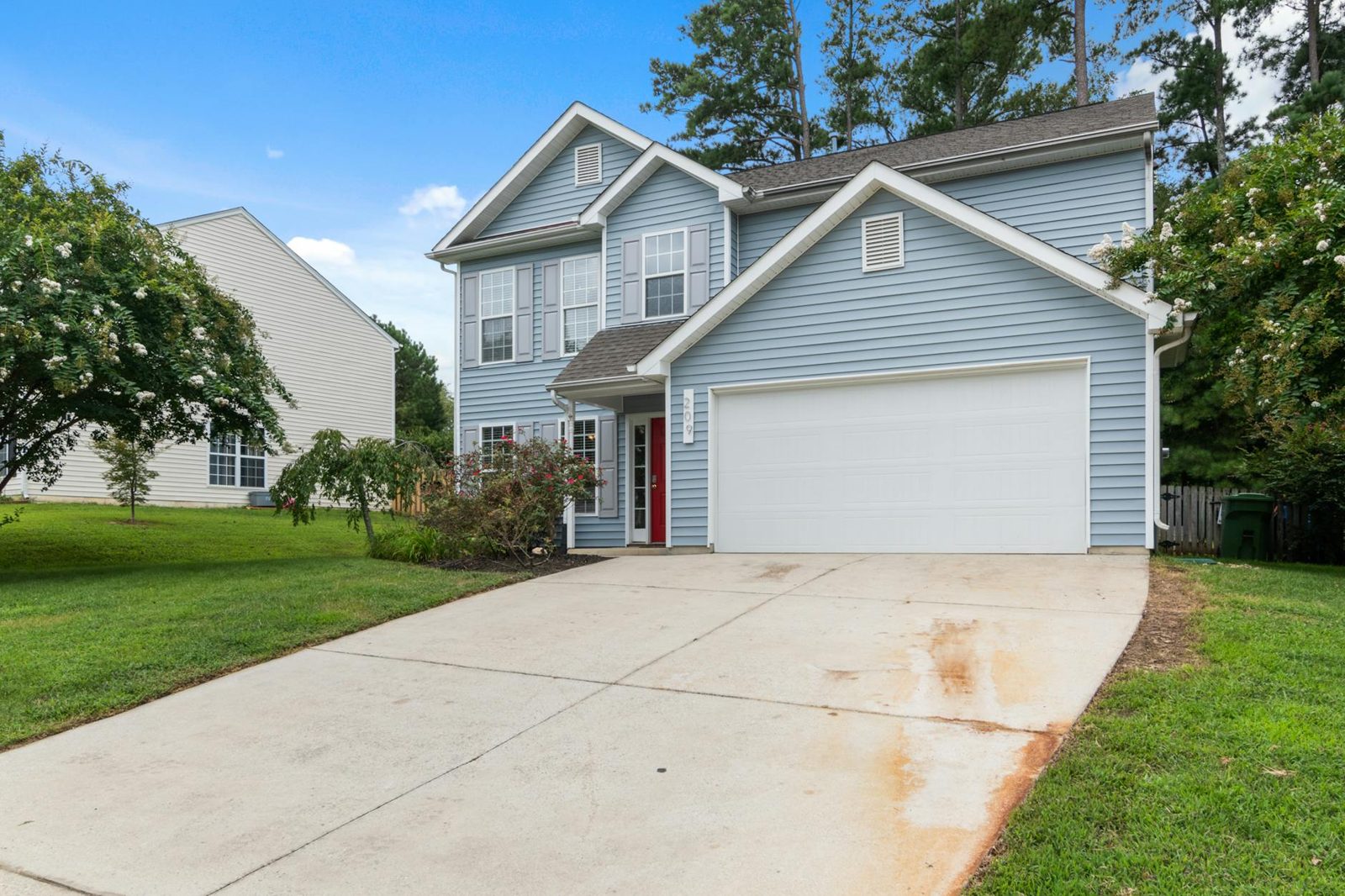
The summer real estate market has a specific gravity to it. Inventory rises. Buyers come out of hibernation. School-calendar deadlines pull many buyers forward. Sellers list with the expectation of competitive offers. Agents work twice their normal hours. The pace of decisions accelerates noticeably from spring, and the consequences of a missed step compound faster.
Most buyers who feel rushed in summer think the pressure is coming from the market. Some of it is. But most of the pressure is coming from a lack of preparation that wouldn’t have mattered in a slower season. In November, you have time to think. In July, the property you want has three other offers on it by Sunday evening, and the buyer who hesitates writes the second-place offer or no offer at all.
The good news is that summer-specific preparation isn’t complicated. It’s almost entirely about doing the right things in the right order, ahead of when you actually need them. Buyers who do the work in May and June write the cleanest offers in July and August. Buyers who try to do the work in July are the ones who feel like they’re being chased through every step.
What’s Actually Different About Buying a Home in Summer
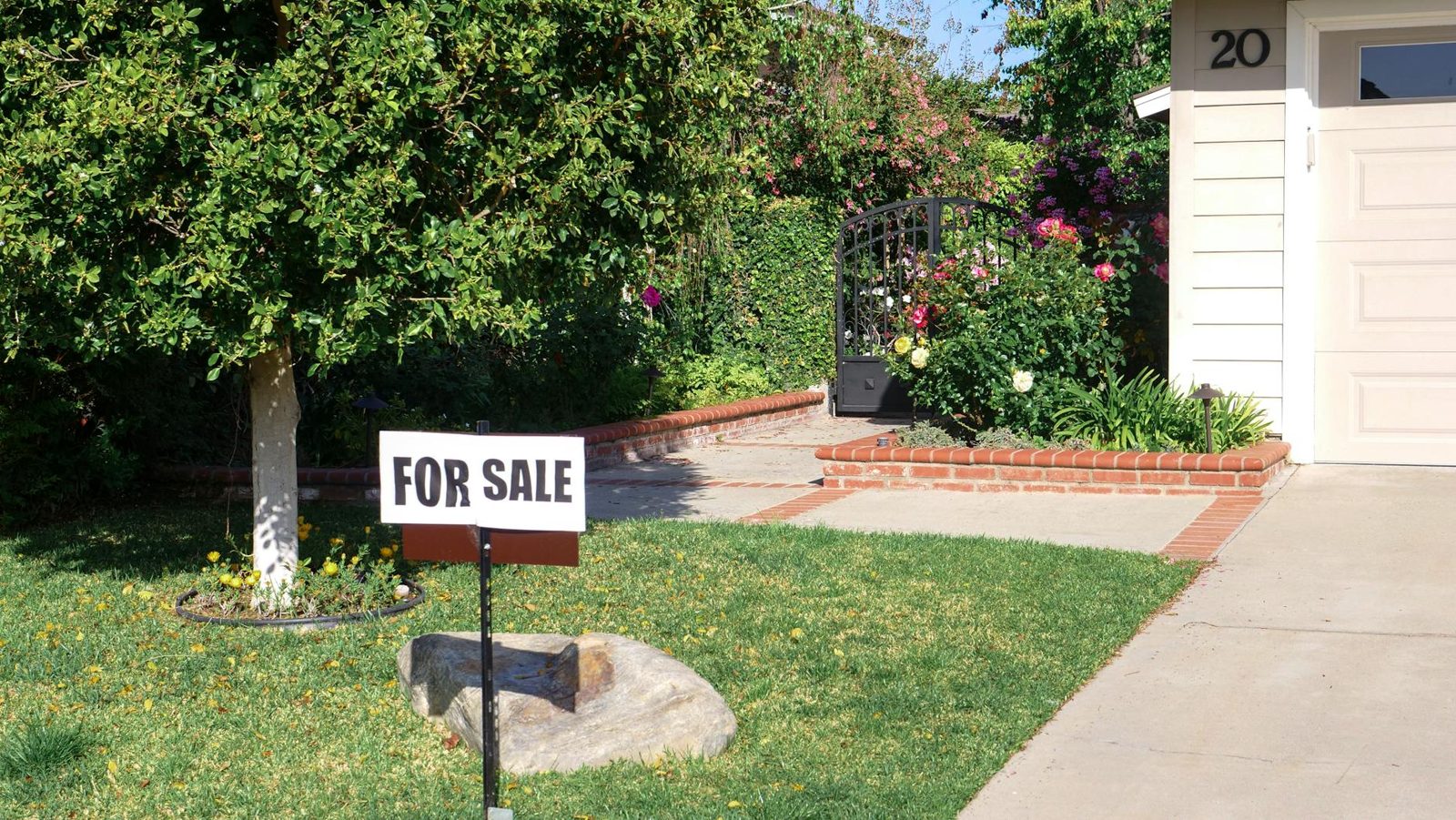
The fundamentals of buying a home don’t change with the seasons. What changes is the pace, the competition, and the specific risks that emerge in a hot, fast market.
Inventory Is High, but So Is Demand
More homes hit the market in May and June than in any other window of the year. That sounds like good news for buyers. The problem is that demand rises in parallel — the supply growth doesn’t translate into buyer-favorable conditions in most markets. In competitive metros, summer is often the most multi-offer-intensive season.
The practical implication: don’t read the inventory headline as a green light. Read the months of supply number — total active inventory divided by the rate at which homes are selling — for your specific market. Anything under 4-5 months of supply is a seller’s market regardless of how many homes are listed.
Time-to-Decision Compresses
Listings that would sit for two weeks in February sit for two days in July. Open houses on Sunday produce multiple offers by Sunday evening. Inspections happen on Monday morning. The contract-to-close timeline still runs 30 to 45 days, but the offer-decision timeline collapses to hours rather than days.
Inspections Get Heat-Tested in Ways That Matter
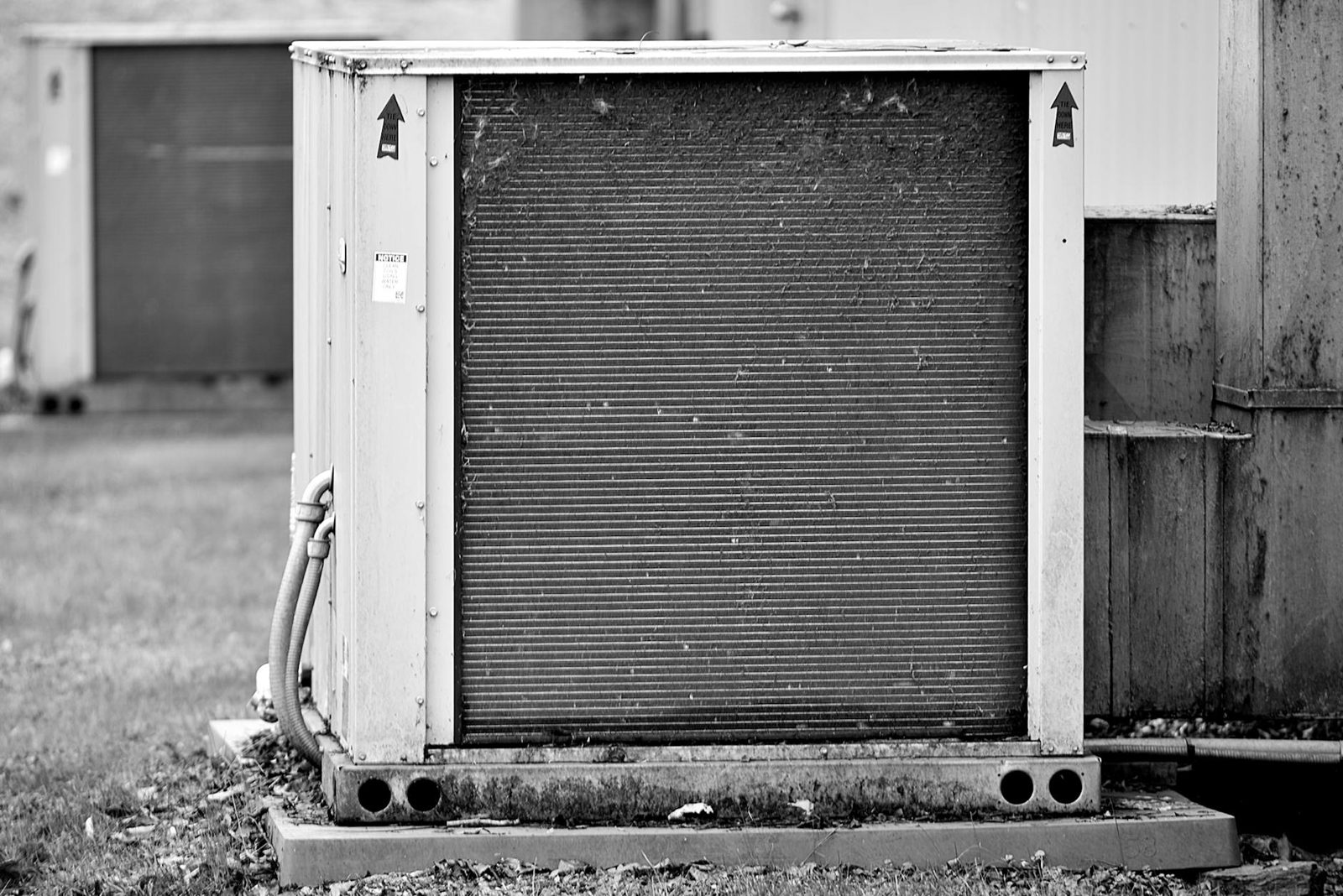
Summer is the season where homes get tested at their hottest. HVAC systems run nonstop. Insulation faults show up as cooling cost issues. Attic and roof temperatures climb. Some of this is good for the buyer — it’s easier to verify whether the AC actually works in July than in March. Some of it is challenging — heat-driven discomfort during walkthroughs can push buyers toward fast decisions, and certain seasonal pests, mold growth, and humidity-related issues are most visible right now.
The flip side: summer is the worst season to evaluate a home’s heating system. Furnaces, heat pumps in heating mode, fireplaces, and winter weatherization can’t be tested in July the way they can in November.
Closing Schedules Compress Around School Calendars
Buyers working around the school year are racing to close before late August. That creates a back-end cluster of closings — late July through mid-August is the heaviest stretch of the year at most title companies and closing law firms. If you’re buying during that window, build extra buffer into your contract timeline.
Vacation Schedules Scramble Everyone’s Availability
Your loan officer takes a week off. Your agent is traveling. The seller is at their lake house. The appraiser has three deals stacked. Building redundancy into your team prevents the small delays that turn into big delays.
If you'd like a second opinion on how this applies to your situation, there's more below.
Six Mistakes Summer Buyers Make Repeatedly
These are the patterns that most often derail otherwise solid deals.
- Touring before they’re pre-approved. Falling in love with a property you can’t write an offer on in 24 hours is the most expensive thing a summer buyer can do.
- Assuming pre-approval from January is still valid. Pre-approvals expire. Rates move. Insurance costs change. A January letter doesn’t reflect a July file.
- Skipping the inspection or compressing it too far. Competitive markets put pressure on buyers to waive or shorten inspections to get the offer accepted. Sometimes that’s the right call. More often it’s the mistake the buyer pays for in week six.
- Ignoring HOA disclosures. Buyers who don’t read the bylaws, the financials, and the rental restrictions before contingency expiration regret it.
- Underestimating closing costs. In a competitive market, sellers are less willing to credit closing costs.
- Letting school calendars drive bad decisions. A house that fits a school timeline but doesn’t fit your needs is a house you will regret.
How to Read the Signals in a Hot Summer Market
Several signals tell you what kind of market you’re actually buying in, regardless of the headlines:
- Days on market for similar homes. Under 14 days is hot. Under 7 days is very hot. Over 30 days is a buyer’s market for that property type.
- List-to-sale price ratio for the last 90 days. Over 100% means sellers are getting more than asking on average.
- Number of price reductions on currently active listings. A high price-reduction count signals a market that’s cooling.
- Multiple-offer rate. Over 50% is a clear seller’s market.
- Concessions on recent closed sales. Did sellers credit closing costs? Pay for repairs? Buy down the rate? The answer tells you what’s on the table for you.
The mistake most buyers make is reading the national headlines and assuming they apply to their specific market. National numbers are averages. Your neighborhood is its own market.
The Contrarian Truth About Summer Buying
Here’s what doesn’t get said often enough: the best deals in summer are often the houses that are visible but quietly stale.
Every summer, a percentage of listings come on the market in May or early June, sit through the first wave of attention, and end up still active in late July. Some of these are overpriced and will need a reduction. Some have a fixable issue (paint, staging, marketing) that’s keeping them from selling. The buyers focused exclusively on new listings are competing with everyone else. The buyers willing to look at listings that have been sitting 30+ days, ask why, and write a sharper offer based on the answer are routinely getting the better deal.
The other contrarian truth: late August through early October is structurally one of the best buying windows of the year. The summer urgency has burned off. School-calendar pressure has eased. Sellers who didn’t sell in the prime window often get more flexible on price and terms.
Six Questions to Ask Yourself Before Writing a Summer Offer
- “Is my pre-approval letter from within the last 60 days, reflecting my current credit, income, and asset picture?”
- “Have I run the full PITI on this specific property — not just the principal-and-interest payment?”
- “Have I confirmed the school district assignment for this exact address, not the listing description’s claim?”
- “Have I built a walk-away price in writing before I sit down to write the offer?”
- “Have I read enough HOA disclosures to know what I’m signing up for if this property is in a managed community?”
- “Is my agent calling the listing agent before I write to ask what the seller actually cares about beyond price?”
What Great Buyers Actually Do Differently in Summer
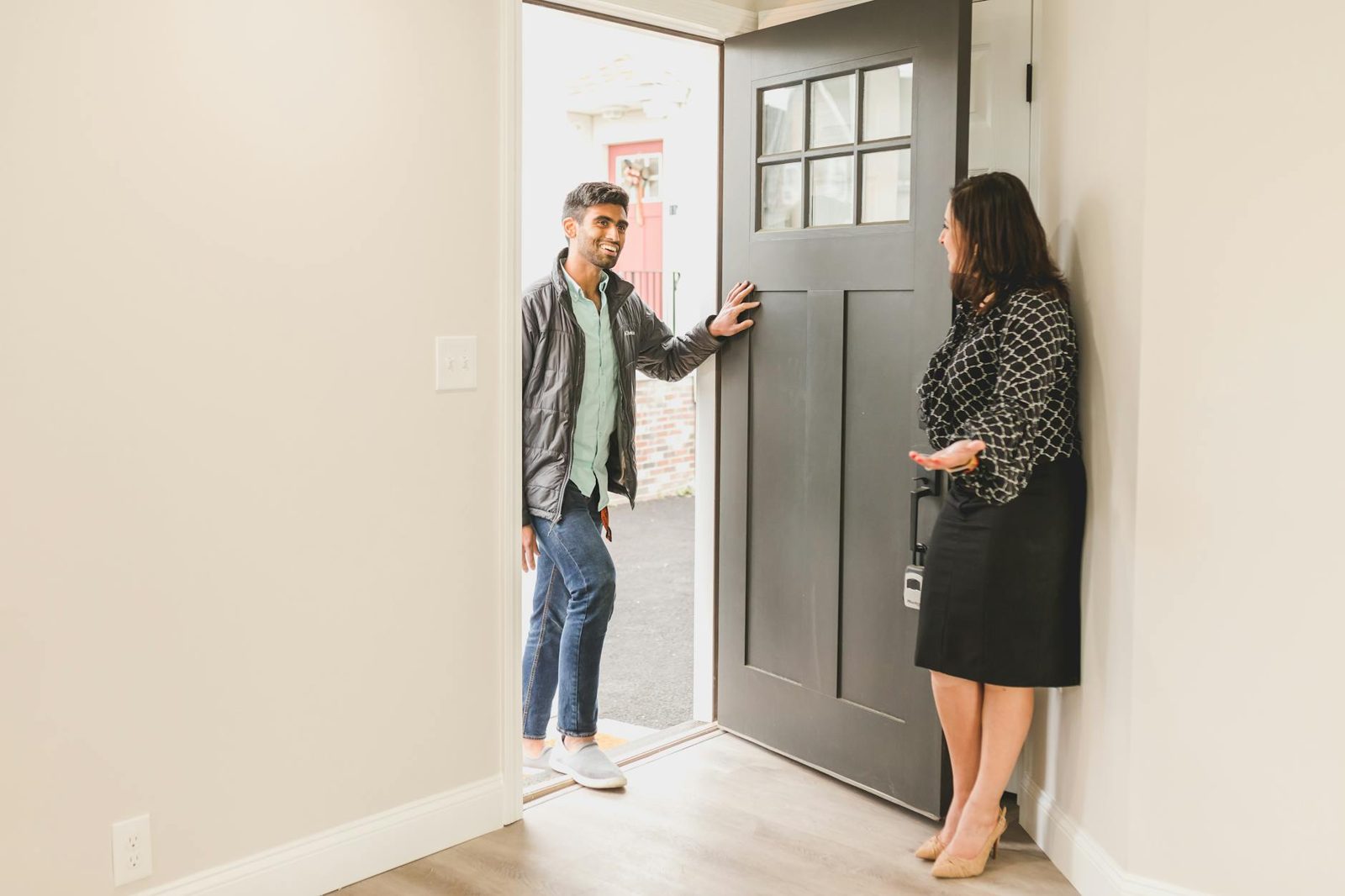
They Tighten the Pre-Approval Before the Season Starts
The buyers who write the cleanest summer offers had their pre-approval refreshed in April or May. Not in July, when the loan officer is overloaded and your file is one of fifty.
They Build a Real Team Before They Need It
Agent, lender, attorney/title, inspector, insurance agent. Each one identified, vetted, and on standby before the first offer.
They Make Their Offers Cleaner, Not Just Higher
In multi-offer situations, the highest offer doesn’t always win. Sellers care about certainty. A clean offer with a fully underwritten approval, a short inspection window, a reasonable closing date, and minimal contingency drama often beats a higher offer with more risk.
They Move on Listings Within 24 Hours
In hot summer markets, the difference between seeing a listing the day it goes live and seeing it three days later is the difference between writing the first offer and writing no offer.
They Use Heat to Their Advantage on Inspection
Summer is the best season to actually see how the HVAC handles peak load, how the windows seal in heat, how the insulation performs, and whether the attic ventilation is adequate.
They Watch the Stale Inventory and the Late-Summer Window
Smart buyers track listings that have been on the market 30+ days, look for the ones with fixable problems, and write sharper offers.
What Not to Do
Don’t let the school calendar make the housing decision. A house that gets you in by August 15 but doesn’t actually fit your needs is a worse outcome than a slightly delayed closing on the right house. Renting short-term for two months in a flexible arrangement is almost always cheaper than buying the wrong property.
Don’t waive contingencies you don’t fully understand. In hot markets, some sellers demand inspection waivers, appraisal waivers, or financing waivers. Each one is a legal right you’re giving up.
Don’t burn out before the right house arrives. Some summer buyers tour 40 homes in six weeks and end up writing offers on the 38th and 39th out of pure exhaustion.
What Your Next Move Looks Like
- This week: refresh your pre-approval. Pull a current Loan Estimate. Confirm rate-lock terms.
- Within 14 days: identify and confirm your team — agent, lender, attorney/title, inspector, insurance agent.
- Within 21 days: finalize your needs/wants/like-to-haves list and set up real-time listing alerts in your target neighborhoods.
- Each weekend through summer: tour intentionally. 5 to 7 homes per outing maximum.
- Before you write the first offer: put a walk-away price in writing, run the full PITI for the specific property, and confirm your loan officer has called the listing agent in any competitive situation.
"The best summer offer isn’t the highest one. It’s the cleanest, the fastest, and the one the seller believes will actually close."
The Bottom Line on Summer Homebuying

Summer is the year’s most competitive home-buying season. The buyers who win in it don’t win because they want a home more than the buyers they’re competing with. They win because they did the preparation work before the season started, built a real team, kept their financial picture clean, made their offers sharper rather than just higher, and refused to let urgency override judgment.
The mistakes summer buyers make repeatedly are the mistakes of compression — touring before they’re ready, accepting an old pre-approval, skipping inspections, ignoring HOA disclosures, letting the school calendar drive the housing decision. Every one of those mistakes is preventable with preparation. None of them are preventable in the moment.
If you’re buying this summer, your work this week and next is more important than your work in July. Refresh the pre-approval. Build the team. Set the alerts. Write down the walk-away price before the property appears. The market will move fast when the time comes. Your preparation should already be in place.
And if your timeline isn’t fixed — if you have flexibility — keep one eye on the late-August through mid-October window. Some of the best buying conditions of the year live just on the other side of peak summer, in the quiet stretch most buyers don’t know to wait for.
Cross-reference: for buyers with a 12-month runway, see our companion piece on what to do if you plan to buy a home in the next twelve months.