What Impacts Home Value? 10 Key Factors That Can Raise (or Lower) Your Property's Worth
What impacts home value isn't a single number set by your appraiser, your Zestimate, or your hopeful list price. It's a moving target shaped by ten distinct forces — some you control, some you don't. Here's how each one actually moves the needle, and where homeowners and sellers most often get it wrong.
Ask ten homeowners what their house is worth and you'll get ten different answers. Ask ten appraisers and you'll get ten more. The truth is that what impacts home value is not one thing but a stack of overlapping factors, each one nudging the price up or down a few percentage points until the final number lands. Some of those factors are out of your hands — the school district, the interest rate environment, the neighborhood comps. Others are entirely within your control — the kitchen, the curb appeal, the deferred maintenance you've been putting off.
This article walks through the ten factors that most consistently move home value in the U.S. residential market, why each one matters, and what a smart homeowner should actually do about it. By the end you'll know where a renovation dollar goes the furthest, what's quietly costing you equity, and what to stop worrying about altogether.
"Most homeowners overestimate the value of upgrades they want and underestimate the value of the boring stuff buyers actually pay for."
If you'd like a second opinion on how this applies to your situation, there's more below.
What Impacts Home Value: The Ten Factors That Actually Move the Number
What impacts home value in the real market is a combination of fixed factors (location, lot, square footage) and variable factors (condition, finishes, market timing). The ten factors below are listed roughly in order of how much they move the price — though depending on the property, any one of them can become the dominant force.
1. Location, Location, Location — And What That Actually Means
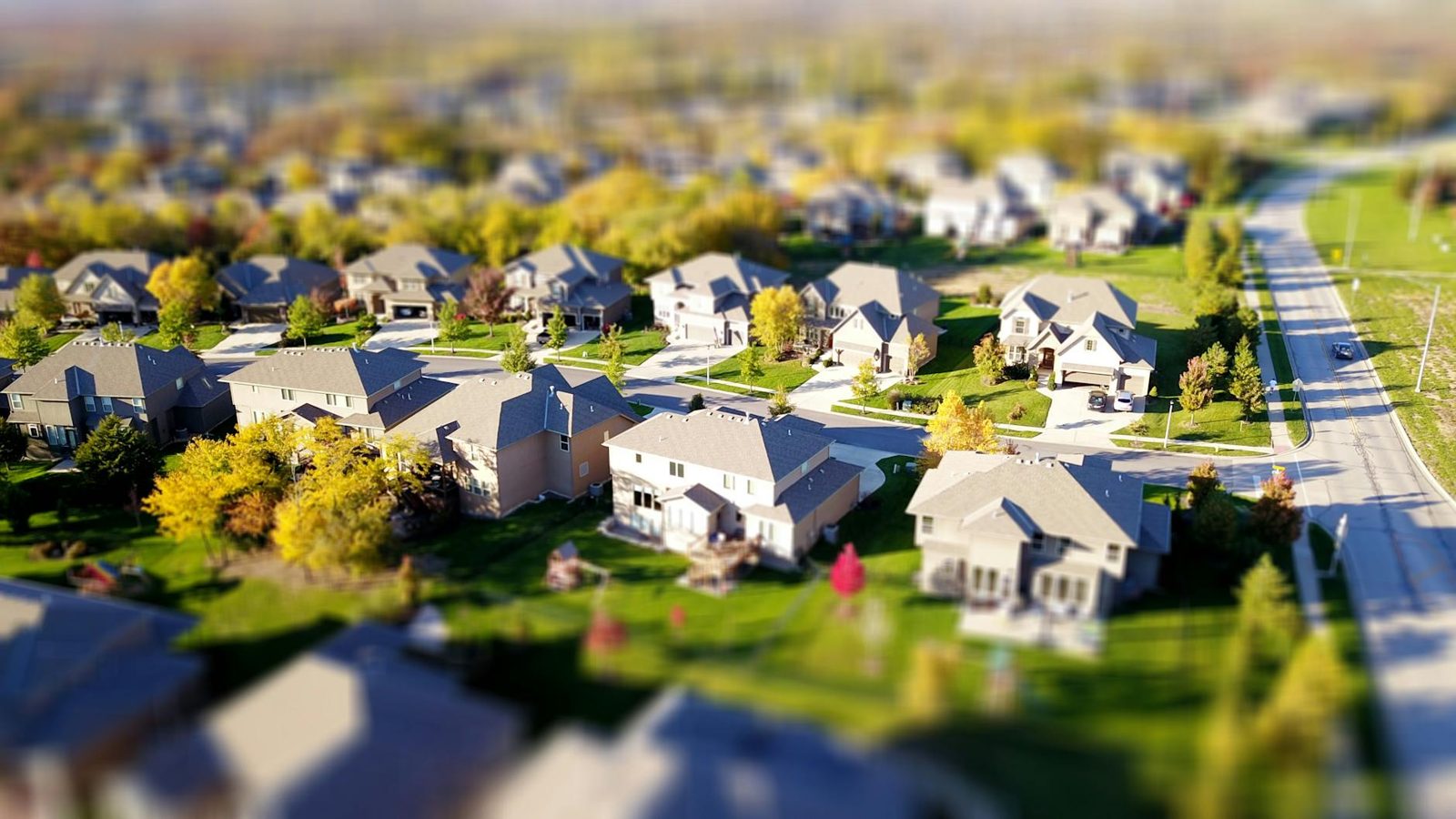
Every real estate truism starts and ends here, and for good reason. Two identical houses on either side of a school district line can sell for meaningfully different prices. Location is not just "good neighborhood" in a vague sense — it's a measurable bundle of school assignment, walkability, commute times, proximity to employment centers, and access to amenities like grocery stores, parks, and restaurants.
Within a single zip code, location alone can move price substantially — a busy road, a cul-de-sac, or a view can separate otherwise-similar homes. A home backing to a busy road sells for less than the same home on a quiet cul-de-sac three blocks away. A home with a view sells for more than a home looking at a parking lot. A home walking distance to a charming downtown sells for more than one a ten-minute drive away.
What you can do about it: nothing direct — you can't move the house. But you can be honest about your location's strengths and weaknesses when pricing, and you can highlight features (like the cul-de-sac, the school district, the walking distance to coffee) that buyers value but don't always notice on a map.
2. Size and Layout — Square Footage Isn't the Whole Story
Total finished square footage is the single most-cited number in any real estate listing, and for good reason: it's the easiest apples-to-apples comparison between homes. But square footage alone doesn't capture what buyers actually pay for — usable square footage and livable layout do.
A 2,400-square-foot home with three bedrooms, two-and-a-half baths, an open kitchen-living space, and a flexible bonus room will outsell a 2,400-square-foot home with the same total area carved into small, choppy rooms. Bedroom count above three adds value sharply in markets where larger homes are in demand; bath count above two does the same. Below-grade square footage (basement) is generally credited at a discount to above-grade space, and how steep that discount is depends on the market and the appraiser.
What you can do about it: short of an addition, the highest-ROI move is usually opening up a layout — removing a non-load-bearing wall to combine kitchen and dining, finishing a basement, or converting a den into a fourth bedroom. Buyers pay for usable space, not abstract square footage.
3. Age, Condition, and Deferred Maintenance
A 1995 home in original condition will appraise meaningfully lower than a 1995 home that's been continuously maintained, even if both are technically the same age. Condition reflects how the home has been cared for — the roof, the HVAC, the windows, the siding, the foundation, the plumbing and electrical — and buyers (and appraisers) read condition through the lens of what they're going to have to spend in the next five years.
Deferred maintenance is the silent value killer. A roof at the end of its life pulls down offers — often by more than a replacement would have cost, because buyers price in both the expense and the hassle. A failing HVAC system, an aged water heater, a cracked foundation, settling, water staining — each one becomes an item on the inspection report that the buyer either negotiates against or walks away over.
What you can do about it: address the boring stuff before listing. A new roof, an HVAC tune-up, a serviced water heater, fresh paint, repaired drywall, and replaced caulking will return more on a resale than almost any glamour upgrade.
4. Curb Appeal — The First Five Seconds
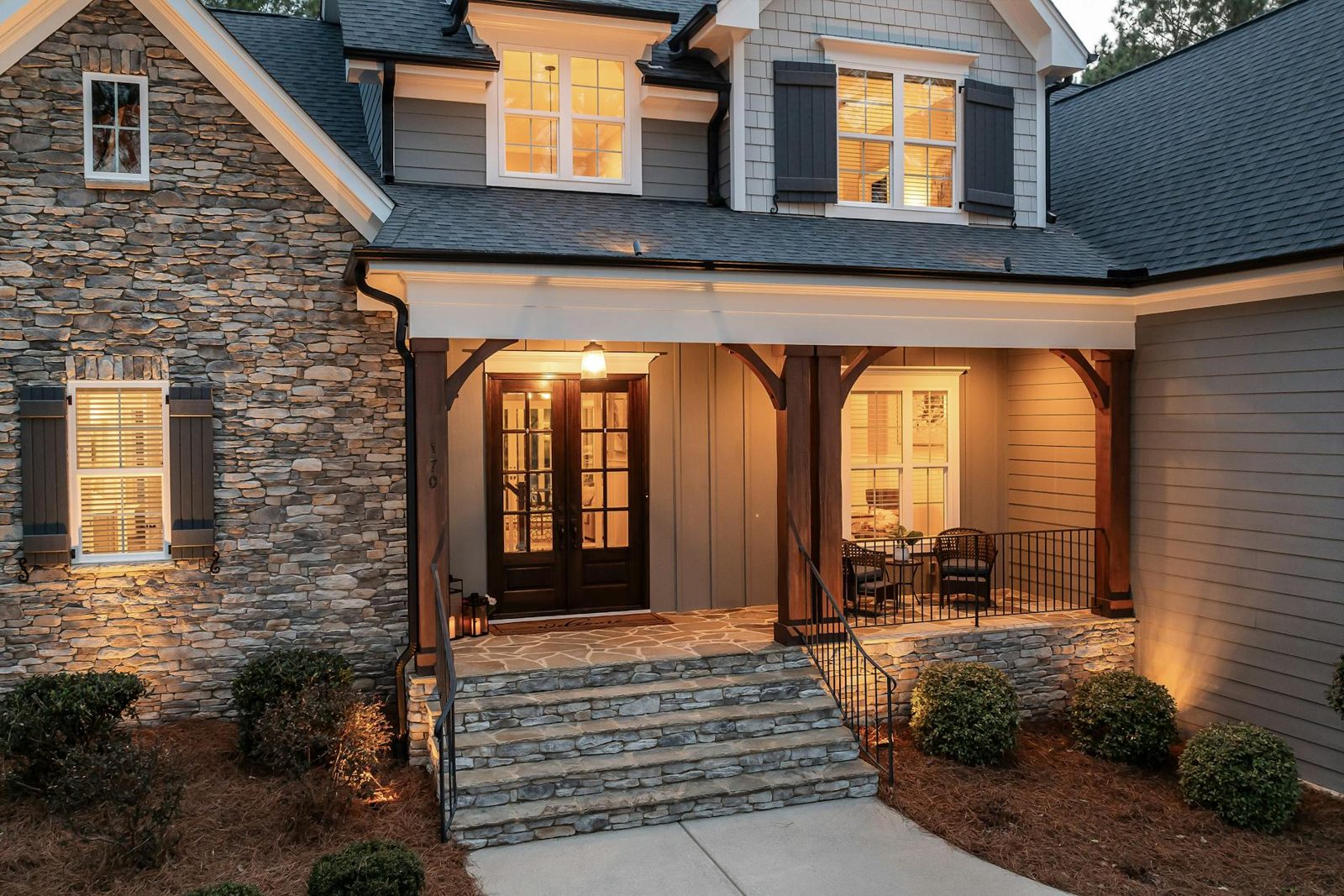
The exterior of a home creates the first impression that colors every subsequent decision a buyer makes about the property. A buyer who walks up a tidy walkway between healthy plants, past a freshly painted door, into a clean entry, has already started saying yes. A buyer who walks through dead grass, past a faded door, around an overflowing trash bin, has already started looking for reasons to say no.
The data on curb appeal is consistent across markets: landscaping cleanup, a painted door and a pressure-washed walkway change first impressions well out of proportion to what they cost. The highest-ROI exterior moves are landscaping cleanup, fresh exterior paint or door paint, pressure-washing siding and walkways, replacing or repainting house numbers and the mailbox, and updating exterior lighting.
What you can do about it: walk to the curb, turn around, and look at your house the way a stranger would. Take a photo with your phone. The things that catch your eye are the things that catch a buyer's eye.
5. Kitchens and Bathrooms — Where the Money Is
If location, size, and condition are the foundation of value, kitchens and bathrooms are the rooms that lift the ceiling. Buyers pay disproportionate premiums for updated, well-functioning kitchens and bathrooms, and discount disproportionately for dated or worn ones. A kitchen with original 1985 cabinets, laminate counters, and a worn linoleum floor will price the home as a fixer-upper even if every other room is pristine.
The math on renovation ROI is finicky and varies by market, but the general rule holds: a mid-range kitchen refresh (paint or reface cabinets, replace countertops, replace appliances, update fixtures) returns far more of its cost than a full gut, and it widens the buyer pool. A full luxury kitchen remodel returns less in dollar terms because you can over-improve relative to the neighborhood. The same applies to bathrooms — a clean, updated primary bath outsells a tired one by enough to justify a thoughtful refresh, but a luxury spa-bath remodel rarely pays back fully.
What you can do about it: refresh, don't overhaul. Painted cabinets, new hardware, a stone or quartz counter, a modern faucet, and a coat of neutral paint will move the perceived value of a kitchen far more than tearing the room down to studs.
6. Comparable Sales — The Number No One Argues With
Whatever you and your neighbor agree your home is worth, the appraiser is going to look at recent sales of similar homes nearby — how near, and how recent, depends on the market and the lender's guidelines. Those comparable sales — comps — are the spine of every appraisal, every CMA, and every realistic listing price.
Comps are why a beautifully updated home in a neighborhood of dated homes can't price out to its true cost-to-rebuild — the comps cap it. They're also why the rising tide of a hot market lifts every home, even ones that haven't been touched. If your three closest comparable homes sold for $475,000, $482,000, and $490,000 in the last quarter, your home is going to land in that range regardless of what Zillow or your gut says.
What you can do about it: pull comps before you set a price, before you start a renovation, and before you reject an offer. Your agent should give you a list. If the comps are saying something different than you'd hoped, the comps are usually right.
7. The Market — Interest Rates, Inventory, and Local Economy
Home value lives inside a larger market that moves up and down with mortgage rates, inventory levels, employment, and local economic conditions. Two identical homes sold three years apart can differ in price by 30% based purely on which market they hit. A 1% drop in mortgage rates can push prices up several percentage points by expanding what buyers can afford. A surge of new inventory in your zip code can soften prices by giving buyers more options. A major employer arriving (or leaving) the region can move the entire local market.
This is the factor most outside any individual seller's control, and the one most worth paying attention to when timing a sale or refinance. The right home, listed in the wrong market, will sit. The same home in the right market becomes a bidding war.
What you can do about it: track rates and inventory in your zip code, talk to a local agent about timing, and accept that you can't control the macro — but you can choose when to list within it.
8. Lot, Land, and Outdoor Living
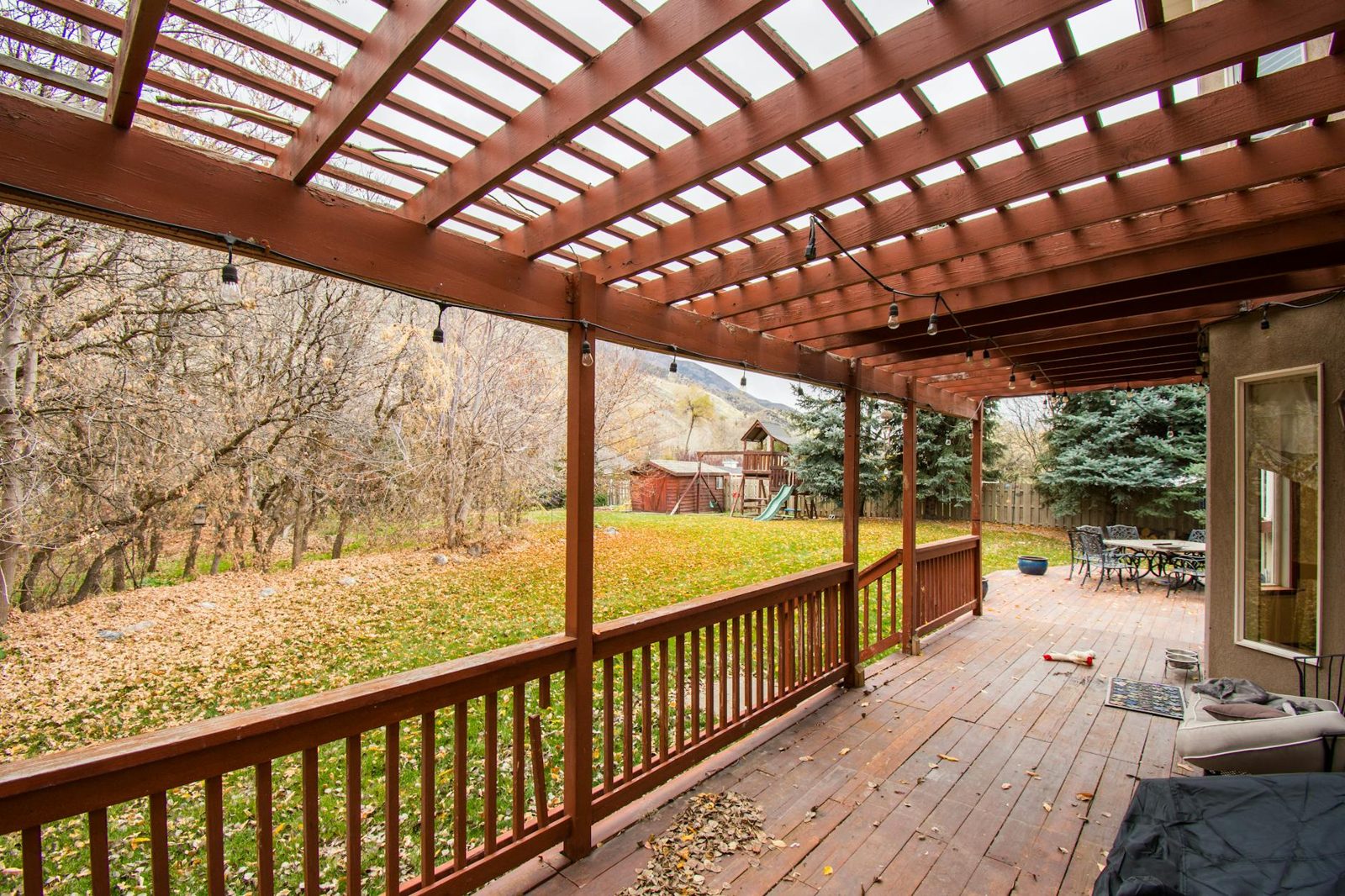
The land your home sits on is part of its value, and not always in the ways homeowners assume. Lot size matters, but so does usability — a flat, fenced quarter-acre is worth more than a half-acre of steep slope, and a lot with mature trees and privacy commands a premium over an exposed lot of the same size.
Outdoor living spaces — decks, patios, screened porches, outdoor kitchens, and well-designed backyards — have moved up the value chain meaningfully in the last decade. Buyers expect outdoor space to be usable, not just present. A weathered, sagging deck is a depreciation; a clean, recently stained one with seating space is an asset.
What you can do about it: don't ignore the backyard. Repair or stain the deck, clean up landscaping, add lighting, and stage the outdoor space for showings the way you'd stage the living room.
9. Energy Efficiency, Systems, and Smart Home Features
Newer high-efficiency HVAC, modern windows, attic insulation, smart thermostats, solar where it makes sense, and tankless water heaters all add increments of value that surprise homeowners. Buyers in 2026 read efficiency through the lens of utility bills — a $200/month difference in summer cooling cost between two otherwise-similar homes is real money to a buyer.
Smart home features — video doorbells, smart locks, integrated lighting, networked thermostats — don't move the appraisal much, but they consistently move the offer price. They signal a maintained, modern home and remove small friction points buyers don't want to deal with after move-in.
What you can do about it: when major systems need replacement anyway, choose efficient models. Upgrade insulation if it's deficient. Add a smart thermostat and a video doorbell. None of these will alone make or break a sale, but together they signal a home that's been kept current.
10. Upgrades and Additions — Where Smart Spending Wins
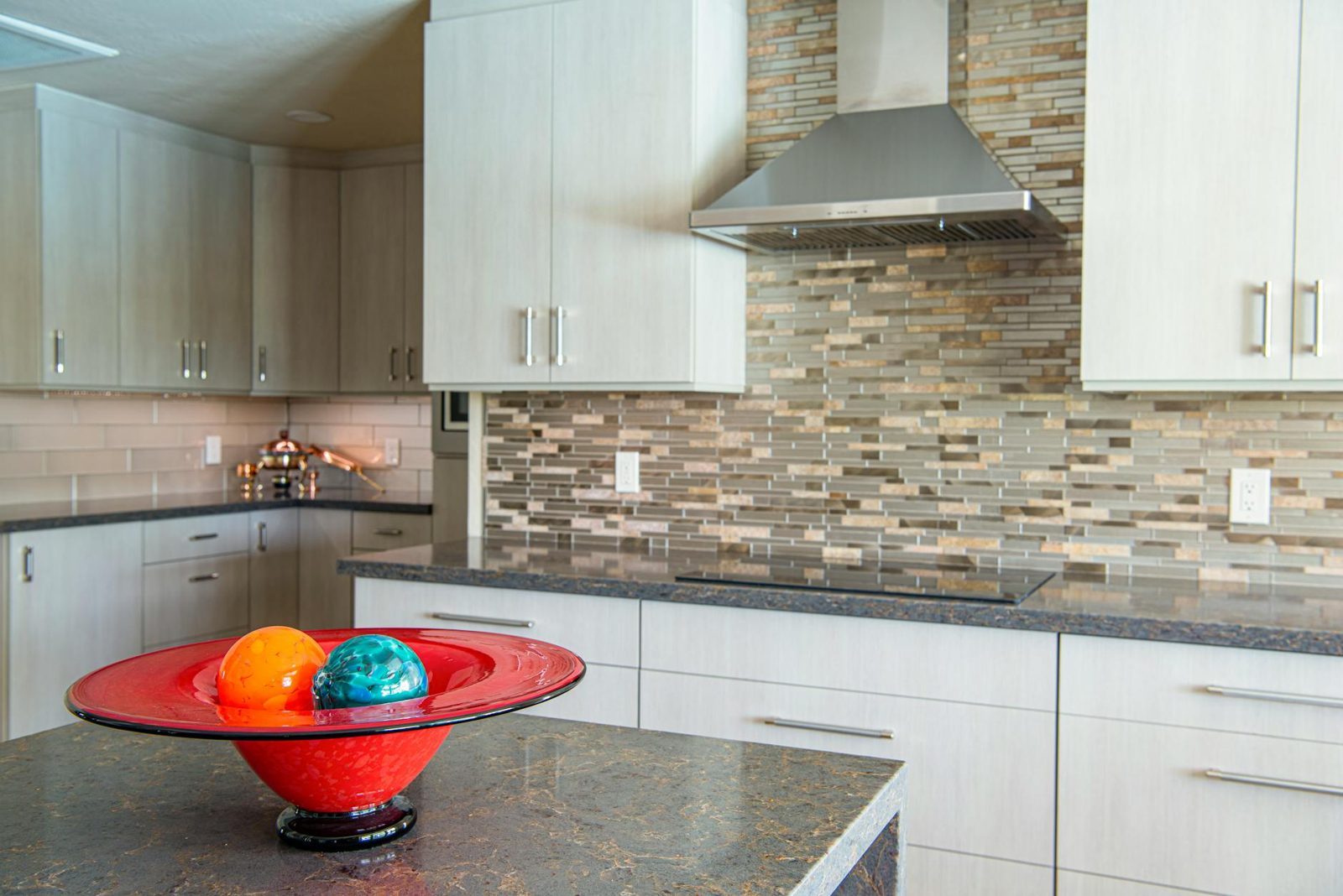
The final factor is the cumulative effect of upgrades and additions over the life of the home. Some upgrades return well over their cost; others return very little. The data on this is well-studied (see the Remodeling Magazine Cost vs. Value Report each year), and the pattern is consistent.
Generally high-return upgrades:
- Steel entry door replacement
- Garage door replacement
- Minor kitchen remodels (refresh, not full gut)
- Manufactured stone veneer accents
- Deck additions in moderate climates
- Window replacements (for old, drafty windows)
- Bathroom refreshes
Generally lower-return upgrades:
- High-end kitchen remodels above the neighborhood ceiling
- Primary suite additions
- Sunrooms
- Backyard pools (in most U.S. markets — pools are climate-dependent)
- Heavily personalized finishes (loud paint, unique tile, niche layouts)
The unifying principle: upgrades that bring a home up to neighborhood norms return well; upgrades that push a home above neighborhood norms return less. The market caps the value of any single home at roughly the top of its neighborhood comps, no matter how much you've spent.
What's Outside Your Control — And Why That's Okay
Of the ten factors above, four are largely outside an individual homeowner's control: location, the broader market, the local economy, and (mostly) lot. Six are within your control to one degree or another: size and layout (with renovation), condition, curb appeal, kitchens and bathrooms, energy and systems, and upgrades.
The smart homeowner stops worrying about the four they can't move and focuses on the six they can. The boring fundamentals — condition, curb appeal, kitchen and bath presentation, and a fairly priced listing tied to actual comps — will outperform a six-figure renovation that ignores them every time.
The Three Mistakes Homeowners Make Most

Mistake #1: Over-improving for the neighborhood
Spending $90,000 to remodel a kitchen in a neighborhood where the top sales are $450,000 will not produce a $90,000 lift in price. The neighborhood ceiling caps what your home can sell for, no matter how much you spend. Knowing that ceiling before you renovate is the single most underused piece of information in residential real estate.
Mistake #2: Ignoring the boring stuff
Owners often skip the unsexy maintenance — the roof, the HVAC, the gutters, the caulking — and pour money into what they want (a wine cellar, a fireplace, a backyard fountain). Buyers do the opposite. They notice the roof and the HVAC and the gutters first, and they don't care about the wine cellar.
Mistake #3: Pricing on hope instead of comps
The most common cause of a stale listing is a price set on what the seller wants instead of what the comps support. Overpriced homes sit, then drop, then sit again with the stigma of a price cut, then eventually sell below where they would have sold if priced correctly to start. The comps are not negotiable. Treat them as the starting point, not the obstacle.
The Bottom Line: How to Actually Raise Your Home's Value
Forget the dramatic renovations for a moment. Most homeowners can meaningfully improve what their property sells for through a focused, low-drama campaign of: fixing deferred maintenance, refreshing the kitchen and bathrooms cosmetically, sharpening curb appeal, modernizing key systems, and pricing the home tightly against real comps when they sell.
The factors that move home value are not mysterious. They are well-studied, well-understood, and remarkably consistent across U.S. markets. The homeowners who get the most out of their property are the ones who treat the home as a long-term asset — maintaining it continuously, improving it judiciously, and selling it intelligently when the market is right.
The factors that you can't control will move with the macro. The factors you can control are where the real return on attention lives. Spend your effort there.
Advice4Homeownership publishes educational content. Real estate values vary by market and property; for an accurate valuation of your specific home, consult a licensed appraiser or local real estate professional.